
Hope Across Generations: 2,800 acres of Protected Woodlands
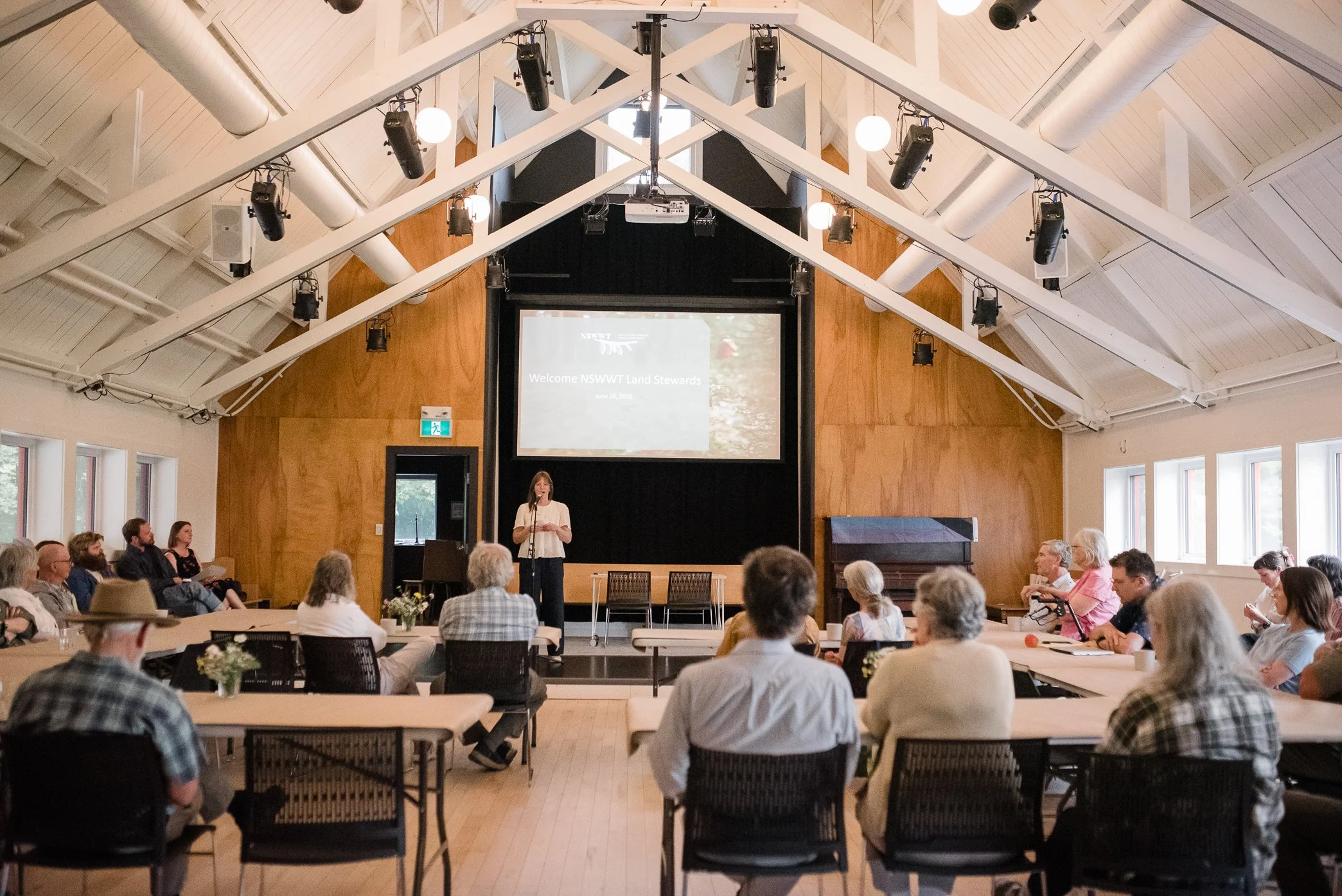
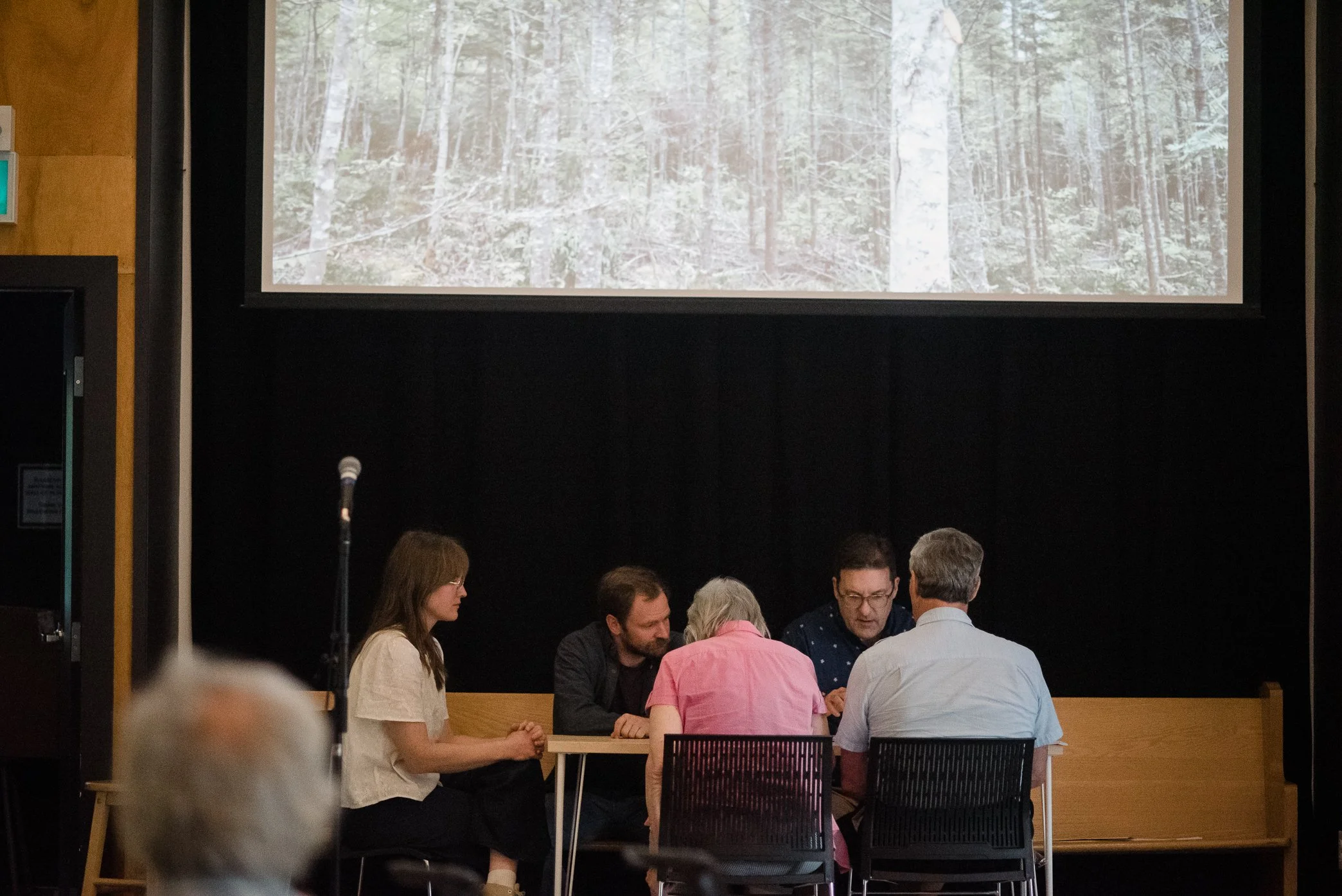
On a bright June day, ten families and the staff of Nova Scotia Working Woodlands Trust gathered to celebrate an extraordinary milestone: the signing of official community easement agreements that will protect working woodlands for generations to come.
This celebration marked a significant achievement for the Nova Scotia Working Woodlands Trust (NSWWT). It represented the culmination of two years of dedicated work and the largest working forest protection initiative in the province's history. Together, the easements protect more than 2,800 acres (1,150 hectares) of working woodland across seven Nova Scotia counties from subdivision, clear-cutting, and development under the Community Easements Act.
United by a Common Vision
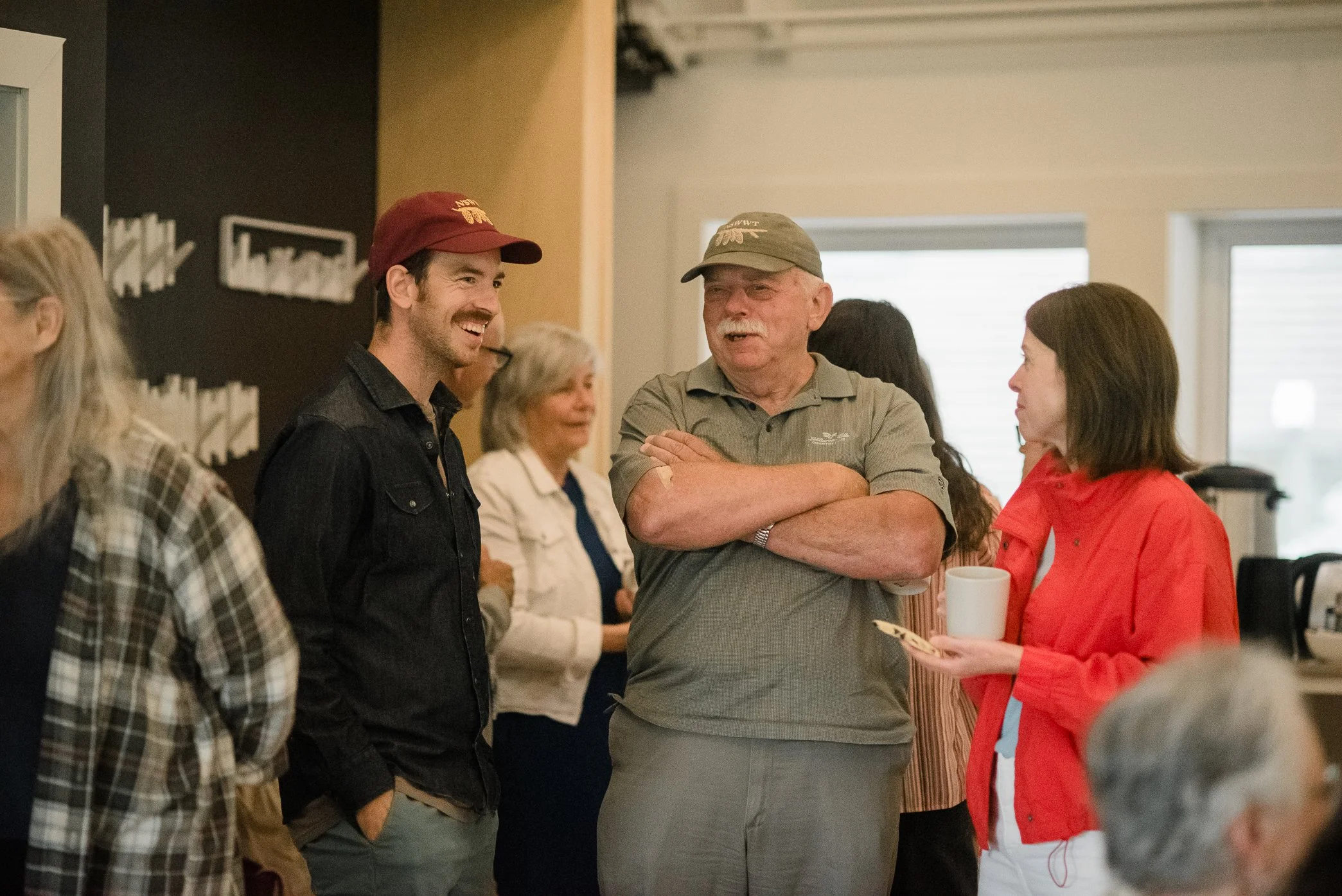
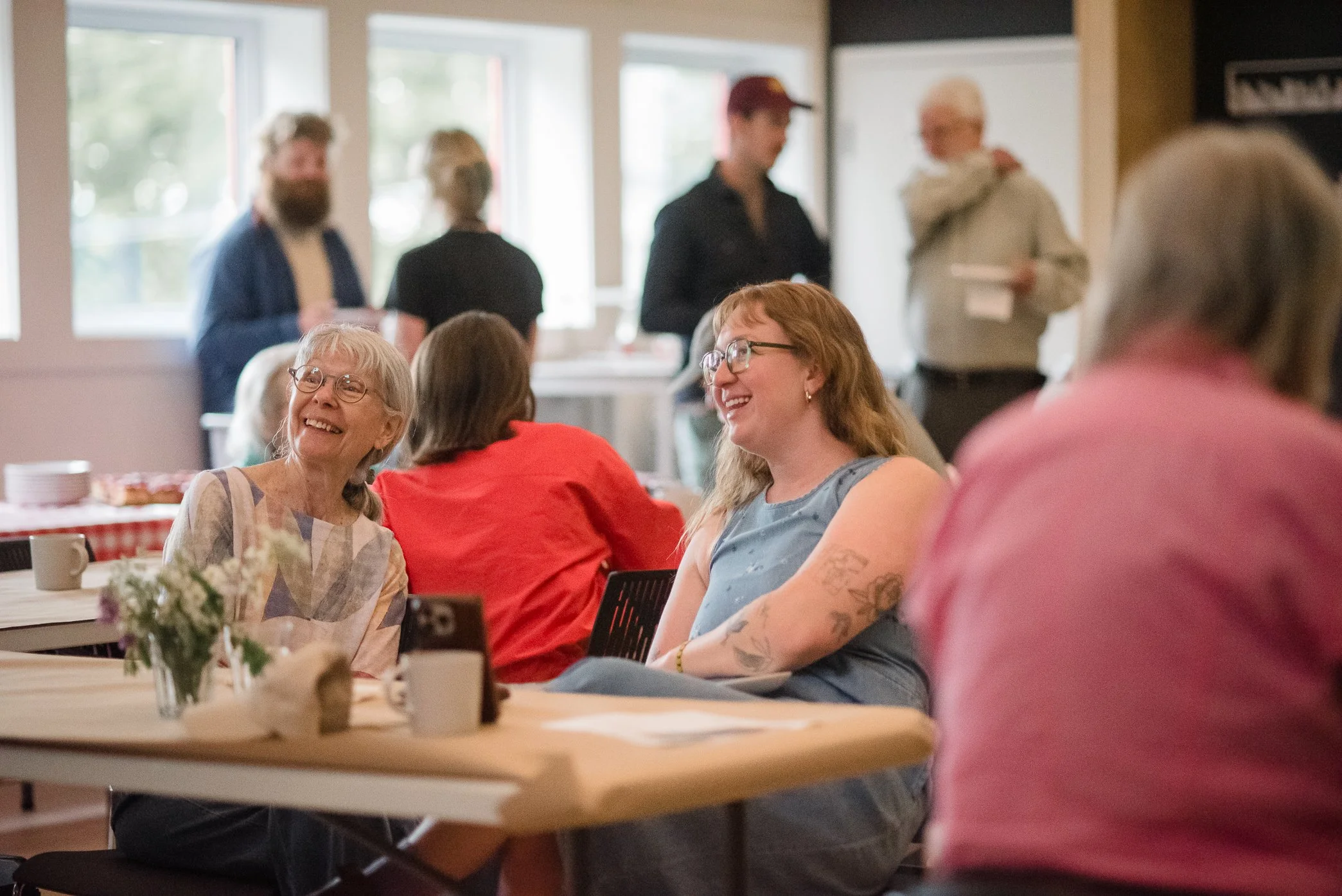
The venue where land stewards and NSWWT staff gathered quickly filled with lively conversation as guests trickled in and the final touches were put on wildflower table arrangements. Although most had never met before, it didn't take long to discover a shared purpose. Every person in the room was united by the same vision—a future where Nova Scotia's forests remain healthy, resilient, and thriving, providing lasting ecological, economic, and cultural benefits for generations to come.
For the land stewards, the signing represented years—sometimes generations—of dedication to caring for their woodlands. The easements ensure that these forests will remain intact, safeguarding both the land and the stewardship values they hope to pass on to their children and grandchildren.
David Baxter and Debbie Plestid, whose 200-acre woodland is affectionately known as Whitetail Woods, reflected on the significance of the day:
"The signing of the easement feels like the culmination of all the hopes and heart we have put into shepherding this property from a somewhat abused wood lot into a protected haven for both flora and fauna."
For many families, the connection to their forests stretches back generations. Donald MacDonald, whose woodland has remained in his family since 1890, shared that one of his earliest childhood memories was harvesting firewood alongside his father at just six years old.
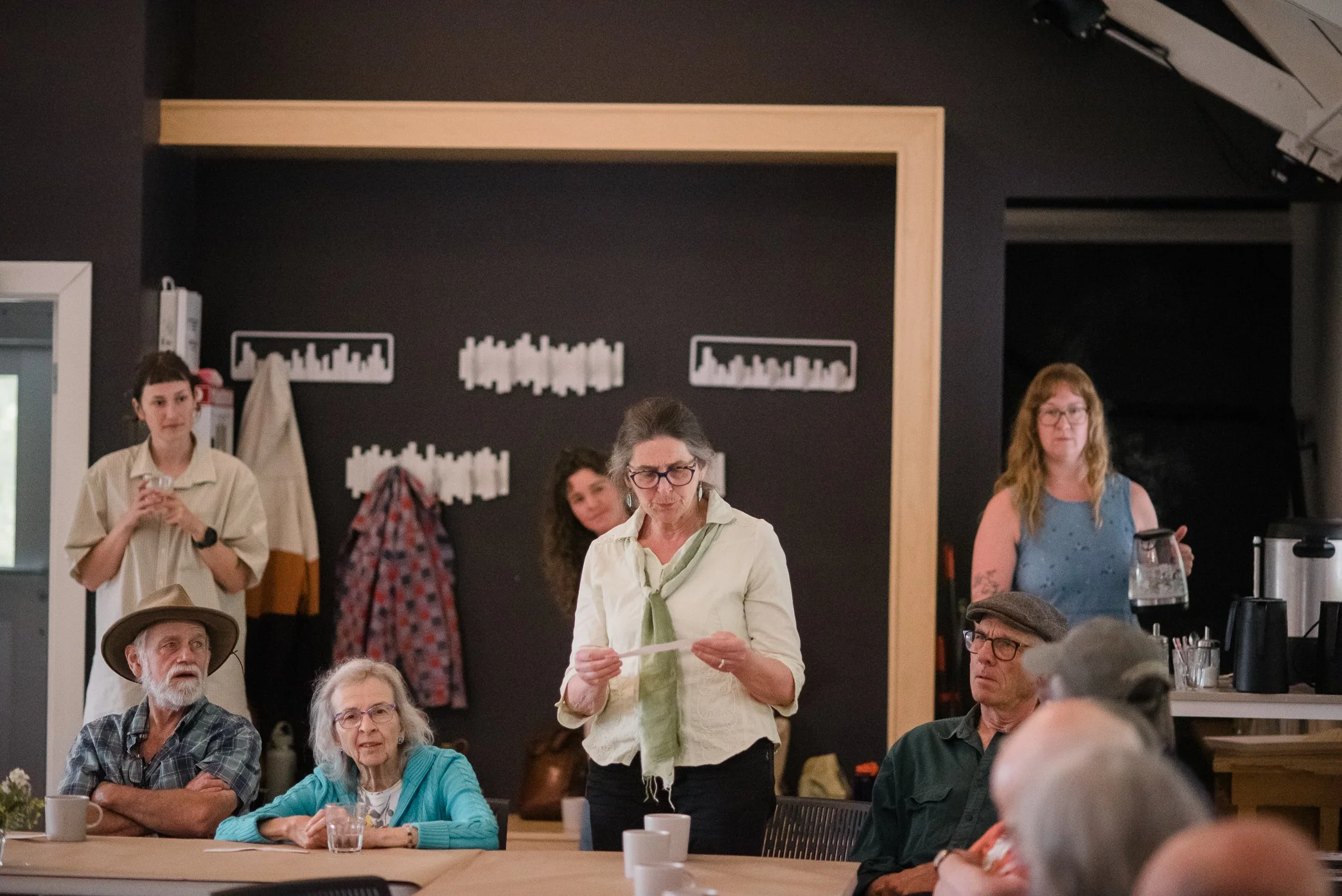
Over cups of coffee, land stewards spoke throughout the afternoon not only about the history of their properties but also about their deep relationships with the plants and wildlife that call them home. Sherman and Cindy Embree described the remarkable ecological diversity found on their land:
"(We have) species at risk such as blue felt lichen, vole ear lichen, black foam lichen, Atlantic Coastal Plain flora (inkberry, etc.); some brooks, bogs and lakeside shoreline; the old-growth section; and the variety of wildlife including birds, geese, ducks, piping plover, bear, deer, rabbit, porcupine, ruffed grouse, bobcat and potential for mainland moose."
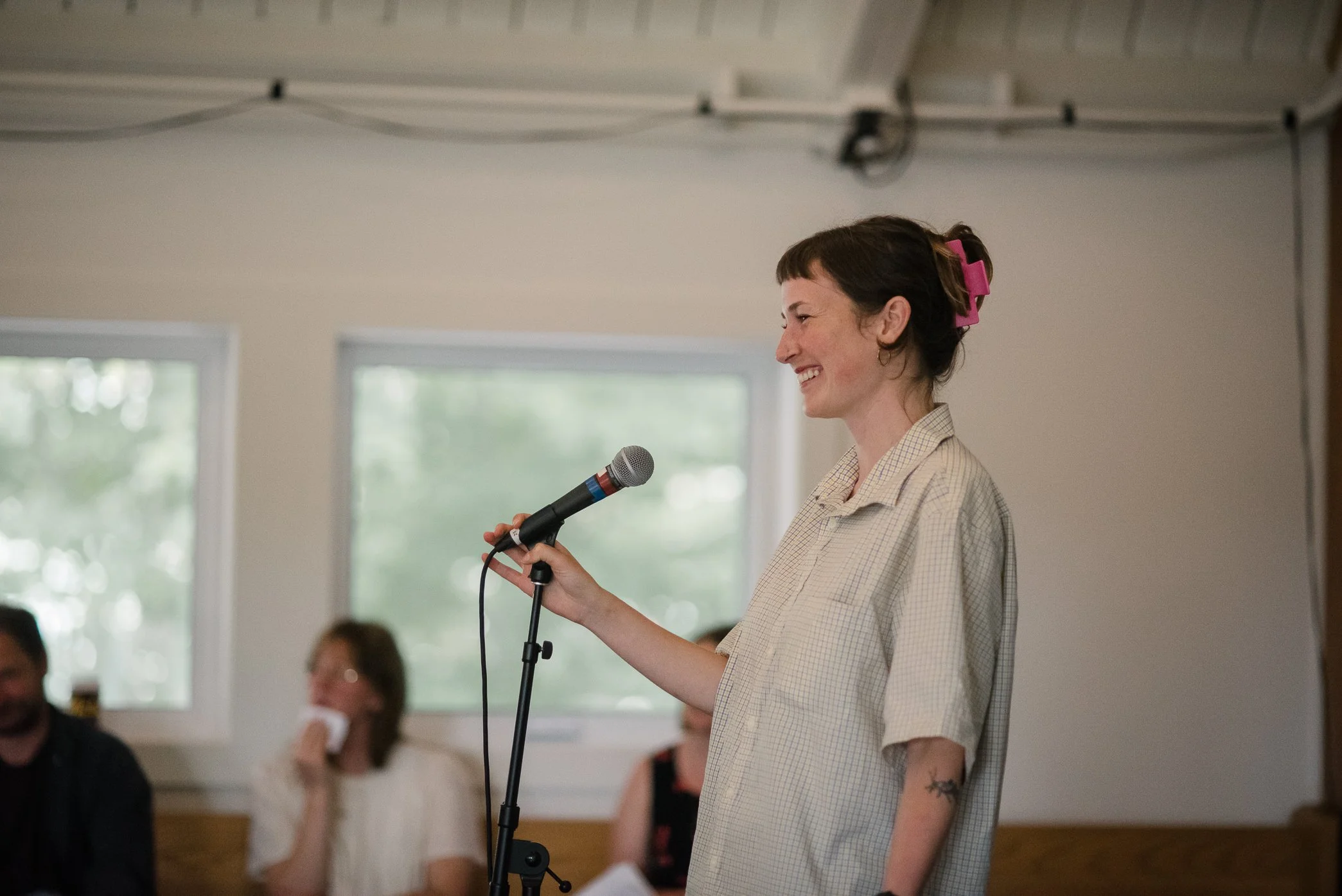
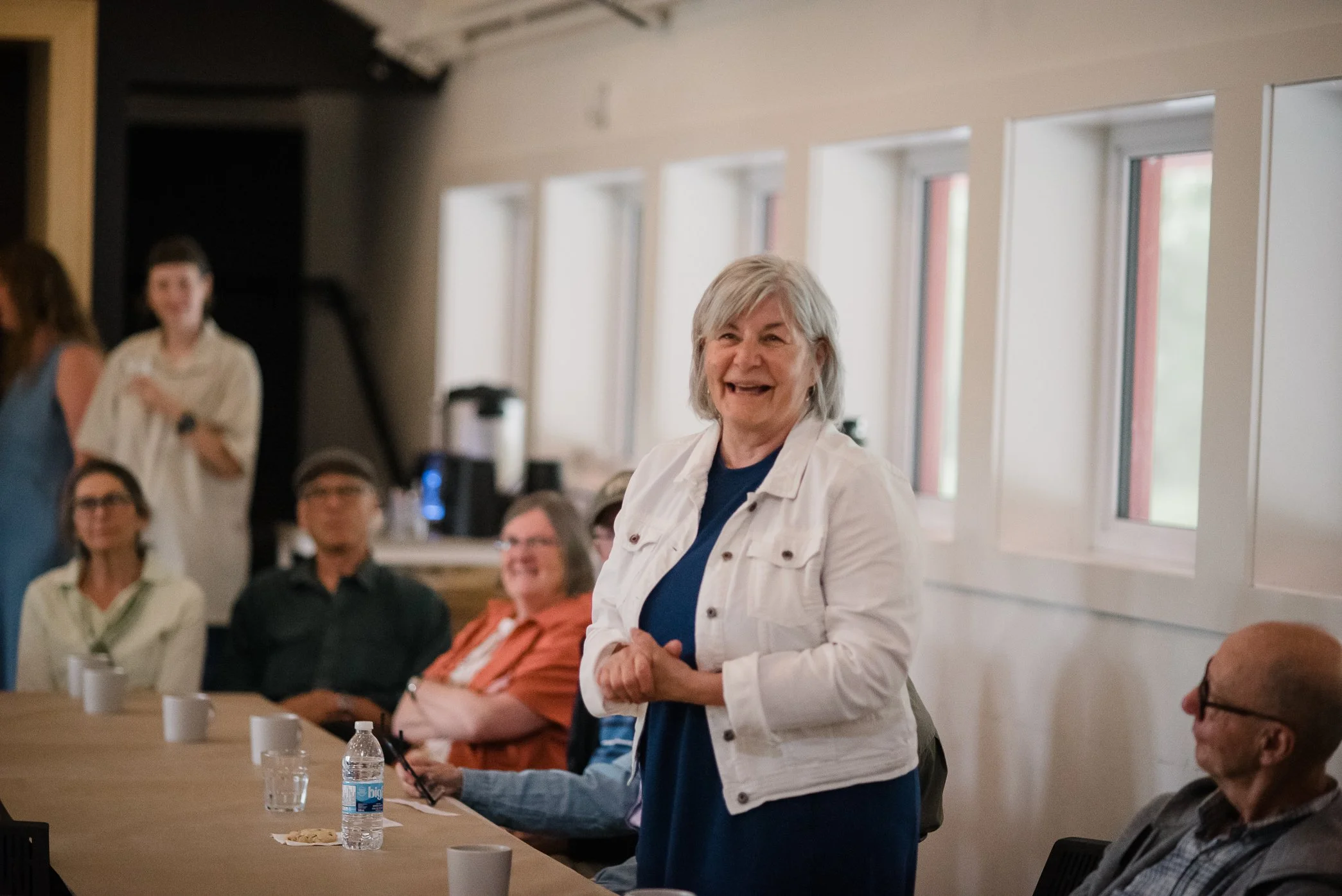
That sense of connection to their land was evident throughout the gathering. Conversations flowed easily between families who had only just met, united by a shared commitment to stewardship. At one point, the room erupted in applause after an enthusiastic land steward mimicked the call of her favourite bird—a light-hearted moment that reflected the genuine care and knowledge that everyone present had for the forests they were working to protect.
From one Generation to the Next - Passing of the Stewardship Baton
As the afternoon unfolded, it became clear that this accomplishment wasn’t just about forest conservation. It was also a story of trust, partnership, and hope across generations.
Many of the participating land stewards, now retired or approaching their golden years, spoke of the reassurance they felt knowing that NSWWT staff would continue the work of protecting the forests they had spent their lives caring for. In turn, the staff expressed deep admiration for the knowledge, commitment, and generosity of the land stewards, describing the experience as a symbolic passing of the stewardship baton from one generation to the next.
Executive Director Mary Jane Rodger captured the spirit of the day:
"This signing represents years of trust built with landowners, culminating in a milestone that proves conservation and working landscapes can be effectively managed together. It shows that ecologically managed working forests have a significant role to play in protecting biodiversity and in long-term carbon storage and sequestration."
As families left with signed agreements in hand, they carried with them the confidence that the woodlands they have cared for over decades—and in some cases, generations—will continue to be cared for long into the future.


All photos by Callen Singer