
Cherishing the land: The Legacy of Elderwood on North Canoe
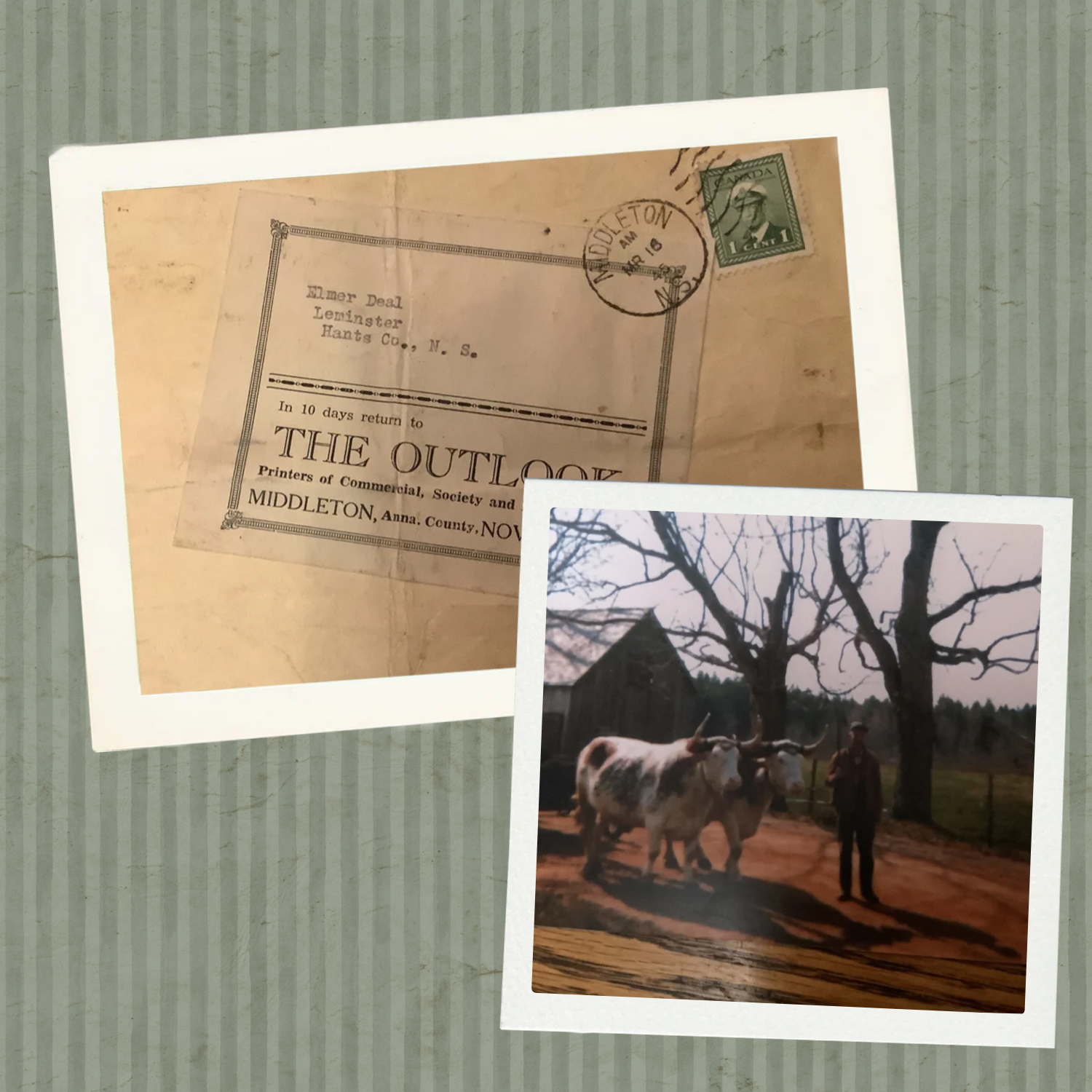
Travelling down a woodland trail, Sue’s sandaled feet brushed against the soft edges of ferns and shrubs as she rode on the back of her father’s wooden ox cart. Bells fastened around the oxen’s necks jingled softly as the animals swatted their velvety ears.
Sue was still a small girl, and the hardwoods they passed beneath towered above her. Shafts of sunlight lit up the cart, which was loaded with firewood. These trips were among the many excursions Sue would take into the forest with her father. Together, they harvested firewood, preserving the warmth of summer one cord at a time through the careful management of their 318-acre woodland near New Ross, Nova Scotia. Selective harvesting and thoughtful silviculture were longstanding traditions in the Deal family.
Sue’s great-grandfather purchased the land in 1865 and passed it down through the family, making Sue its fourth-generation caretaker. More than 160 years later, she still keeps the original handwritten deed.
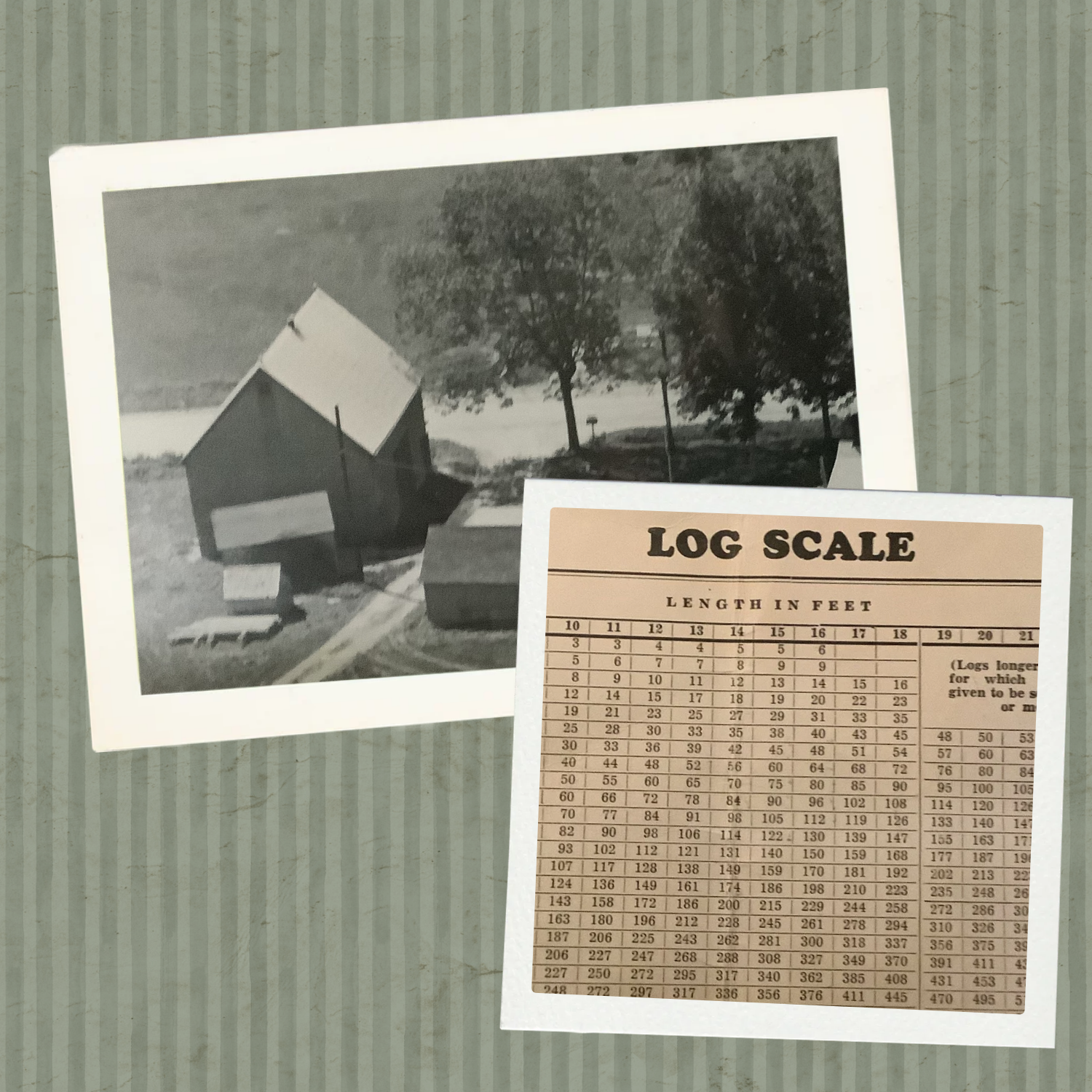
Sue has witnessed the subtle changes taking place on the land. Today, she enjoys daily walks through the towering pines, remembering that much of the forest was once a vast blueberry field. During her childhood summers, she harvested blueberries and sold crates to neighbours and friends. In fact, much of the mature forest visible from the bottom of the property once consisted of open agricultural fields.
The Deals named their woodland Elderwood on North Canoe, an homage to the large lake situated on the eastern side of their 318-acre property. Located high on South Mountain in Lunenburg County, the woodland lies on the drumlin terrain typical of the region and includes some of the highest elevations in Nova Scotia.
After climbing up a steep meadow, the landscape draws visitors into a mature woodland. A loosely defined path leads to a large stand of maple hardwoods, surrounded by a vibrant understory of native ferns. Farther into the forest stands a late-succession forest composed of diverse tree species, including yellow birch and hemlock.
At the heart of Sue’s decision to protect the woodland was her desire to preserve the peace and tranquillity it has brought to her family. Having spent her childhood working at the family homestead and exploring these woods, Sue wanted to ensure that her grandchildren could experience the same refuge and comfort the forest had offered her.
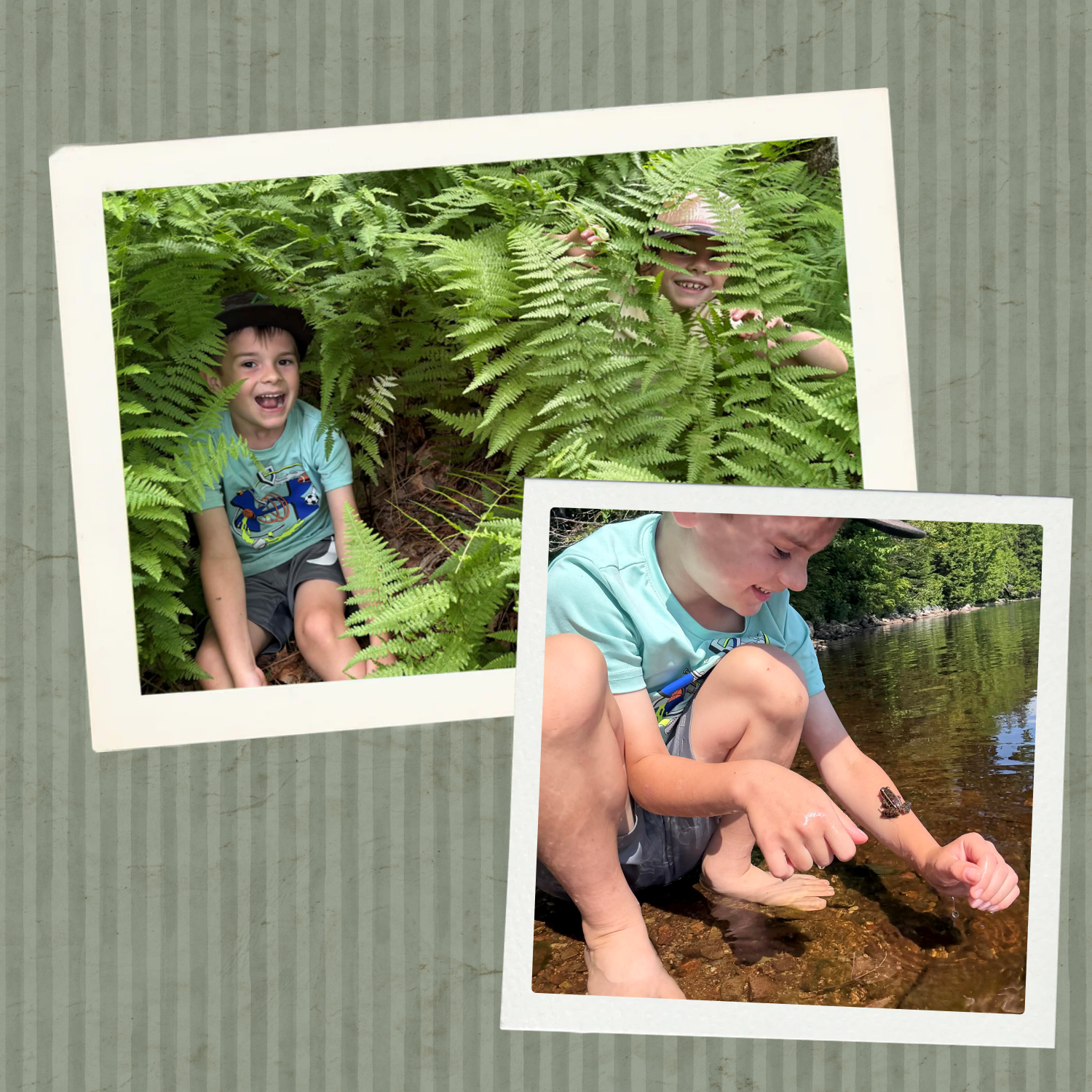
Today, Sue spends many hours in the woodland with her grandchildren. Their favourite place is lovingly known as “Fern Forest,” where the ferns tower over them, inspiring a sense of wonder. She also spends countless hours walking through the woods with her husband and dog, observing the many creatures that call the woodland home.
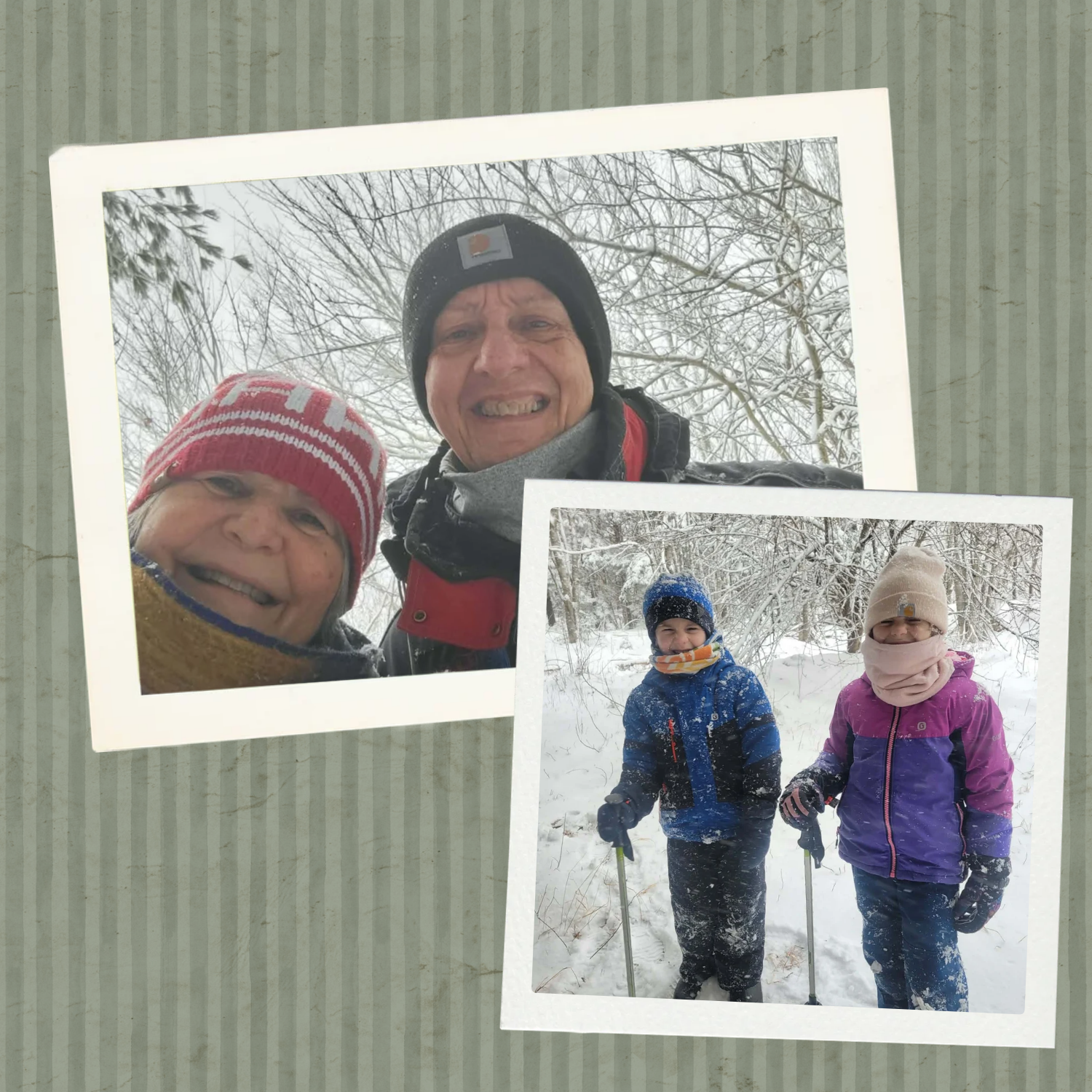
Sue recalls one particularly memorable encounter with a new litter of fisher kits, whose small faces peered up at her from the forest underbrush. Moments like these have reinforced Sue’s decision to legally protect her family woodland.
Finding the right path to legal protection was not a straightforward process for Sue and her family. Finding an organization that met the family’s needs was challenging. Sue wanted to protect the woodland from development and clear-cutting while continuing to enjoy it through selective harvesting and trail building. In the early days, she reached out to several woodlot associations. Forest professionals confirmed her suspicions that the woodland held significant ecological value and that conservation measures were worth pursuing. In the end, working with the Nova Scotia Working Woodlands Trust provided her with the tailored stewardship plan that met the needs of both her family and the forest. Through a Working Forest Community Easement, the plan would protect the woodland while allowing her to continue managing it responsibly, with ongoing support from a team of forest professionals.
Sue remembers the deep, holistic knowledge held by her father and grandfather: their understanding of how to care for the forest through silviculture and how thoughtful human intervention could improve its ecological health. She regrets that this knowledge did not pass directly to her generation.
“If my dad were alive, I could ask him so many things, and he would know all of it. You know what I mean? He just had that experience and knowledge. But I felt like it skipped my generation. That knowledge and experience skipped me. So having the NSWWT there to support me, and to value and see things the way I do, feels wonderful. Otherwise, I feel like I’m out there on a limb.”
Sue is now trying to fill that gap in knowledge. Today she’s making a deliberate effort to learn as much as possible about her newly protected woodland. She is completing courses in identifying medicinal plants and shrubs in the forest and working with foresters through The Western Woodlot Services Cooperative to guide her silvicultural decisions.
At first, she was reluctant to intervene in the woodland. She is gradually becoming more comfortable with the idea that carefully planned human intervention can help restore sections of the plantation-style pine stands and encourage greater diversity, including yellow birch, sugar maple, and eventually red spruce which are species characteristic of a late-succession forest.
“It’s something my children and grandchildren will benefit from. They’ll see how the forest can restore itself with a little bit of intervention.”
At the core of Sue’s decision to work with the Nova Scotia Working Woodlands Trust was her desire to pass her family’s legacy of care and respect for the forest on to her grandchildren, who are clearly the light of her life.
Sue once followed her father through these woods, riding on the back of an ox cart and learning, little by little, what it meant to care for a forest. Today, her grandchildren follow her. They build forts beneath the trees, disappear into “Fern Forest,” and learn the names of the plants and creatures that share their family’s woodland.
In time, Sue hopes they will inherit more than 318 acres. She hopes they will inherit a way of seeing the forest — as something to know, care for, and pass on.