
Reflecting on Aldo Leopold’s concept of conservation
As the hazy days of August pass, we’ve been pausing on occasion as a team to have thoughtful discussions about our core values and mission as an organization.
We have been reflecting on how conservation can benefit both landowners and forests. We have been asking ourselves, how do we foster a network of land stewards in protecting the working woodlands that provide for both the health of the forest and the needs of the caretaker?
In an essay published in 1939, Aldo Leopold’s opening words were,
“Conservation means harmony between men and land. When land does well for its owner, and the owner does well by his land; when both end up better by reason of their partnership, we have conservation. When one or the other grows poorer, we do not.” -Aldo Leopold, Farmer as Conservationist
Even though these words were written over 87 years ago, Leopold’s unique concept of conservation still rings true for what the Nova Scotia Working Woodlands is hoping to achieve. In our partnerships with landowners across the province, we try to find harmony between meeting the needs of the steward and the forest, honouring the diversity of values that forests hold.
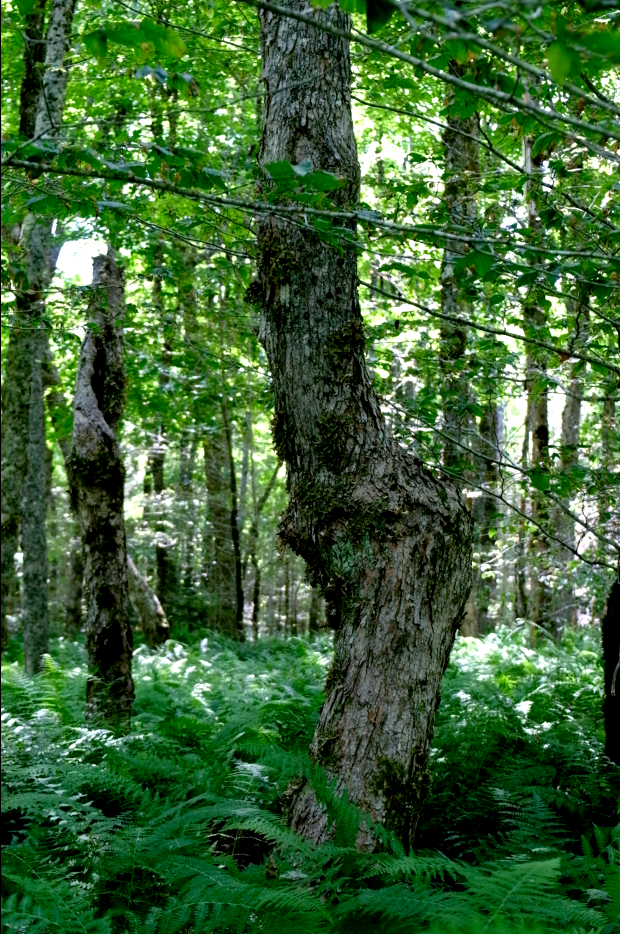
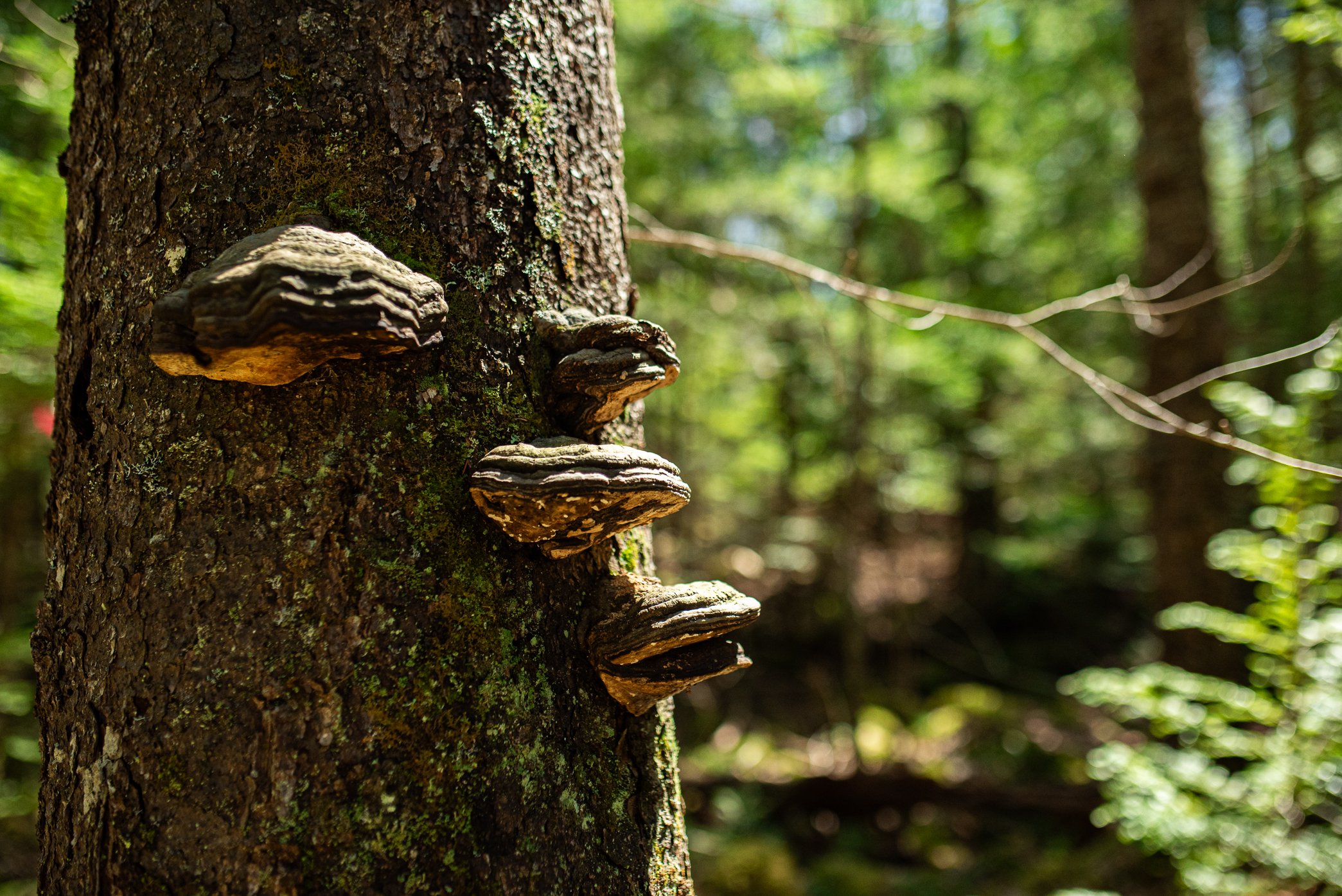
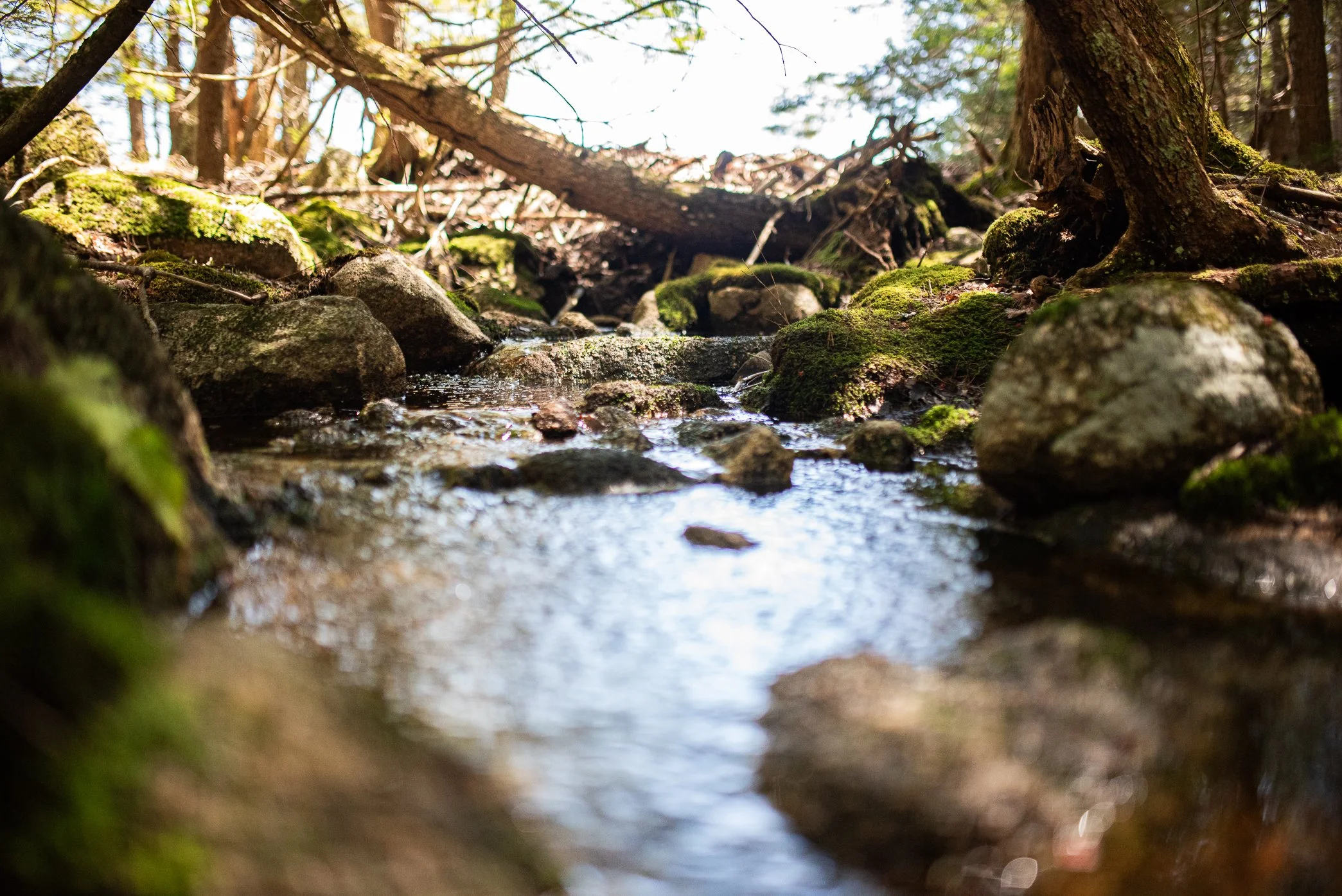
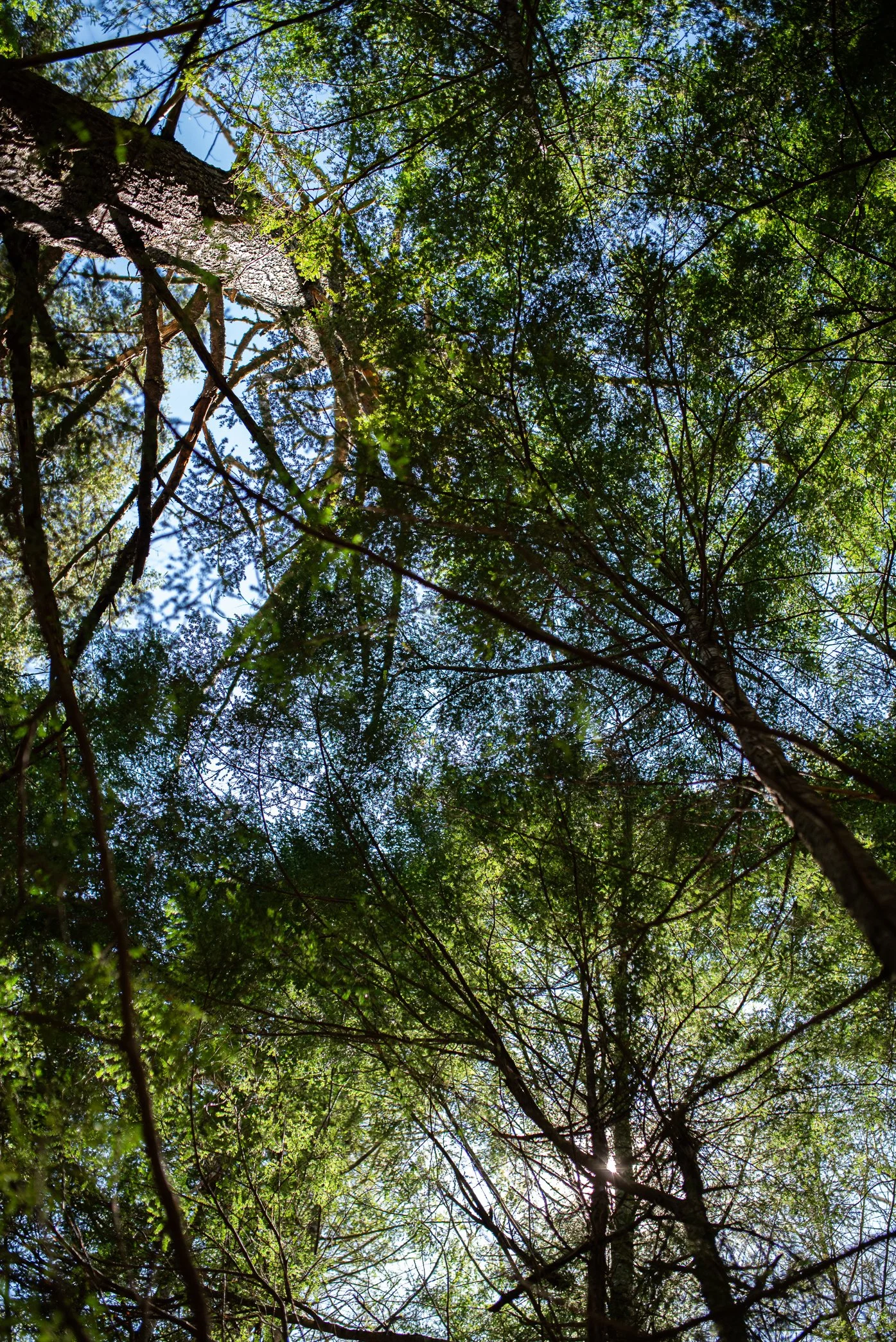
We recognize that human intervention in forested landscapes can promote several important conservation goals. Certain silviculture techniques and management practices can promote forest resiliency in the face of climate change or increases in levels of pests and disease. In our region, ecological forestry techniques can nurture biodiversity and habitat by promoting the return of native Wabanaki-Acadian forests. Leopold reflected on these concepts as he wrote,
“Conversation, then, is keeping the resource in working order, as well as preventing over-use. Resources may get out of order before they are exhausted, sometime while they are still abundant. Conservation, therefore, is a positive exercise of skill and insight, not merely a negative exercise of abstinence of caution.” - Aldo Leopold, Farmer as Conservationist
This is where the concept of the working woodland is integral. If we are creating stewardship plans on protected lands, we should adapt our forest stewardship designs to the context in which they are located. As caretakers, we spend time on the land and recognize the unique value in each woodland, identifying areas that can be improved through human intervention. Often these improvements also serve to supply the needs of the caretaker in response - forests refresh our water sources, offer climactic buffering for our homes and farms, and of course supply valuable forest products.
By engaging with the unique qualities of each woodland, we can weave the needs of the forest and the community together. In this way, this potent form of conservation requires the landowner to form a deep relationship to their woodlands.
With these reminders from Aldo Leopold in our back pocket, we are reinvigorated in our work towards harmonizing the health of the forest and the needs of the caretaker.
If you are interested in learning more about how we can achieve these goals together, please don’t hesitate to contact us to continue the conversation around conservation and working forests.
Sign up for our newsletter for more updates and reflections on working woodlands and our vision for Nova Scotia’s forest landscapes.
www.nsworkingwoodlandstrust.org/newsletter
Quotes from:
Leopold, Aldo. The Farmer as Conservationist. Vol. 45, No. 6, Pages 294-299. American Forests Magazine. June 1939.