
It’s 5:00 AM, and the farm and forest at Owlwood are slowly starting to come to life. Jake Wentzel moves through the dark, lighting fires in four different cabins before heading to the barn to water the pigs, mules and sheep. In winter, this means heading to the pond first, axe in hand, to chop through the ice.
The seasons set the pace on this 150-acre woodland that’s nestled between Bridgewater and Petite Riviere. On cold, snowy days, Jake heads into the woods to hand-select and harvest timber, working alongside his mules to haul logs the old way – quietly, carefully, and with far less impact on the land than heavy machinery.
“When I'm in the woods with a tractor, I'm stressed out; I'm frustrated; it's noisy; It's smelly. But when I'm in the woods with horses or mules or oxen – it's just magic.”
Where it All Began
Jake was exposed to the magic and challenge of working with animals in the woods at a young age. When he was about 16, his dad bought a draft horse and taught himself to work alongside horses with the support of the folks at Windhorse Farm.
Jake's path to Owlwood has been shaped by a lifetime of seeking out mentors and traditional skills. From learning to work with animals alongside his dad, to spending summers on West Ironbound Island with his grandparents, and later discovering what it meant to run a community-operated farm at Windhorse, these experiences gave him his first taste of farming and a slower, more intentional way of living.
“From a young age, I was introduced to forestry, harvesting logs, and milling lumber,” Jake says, “And luckily, all the role models I’ve had have been incredible caretakers of the land. It was always our first priority to leave the woodlot better than we found it.”
When Jake bought the property 16 years ago, a team of working horses or mules was significantly cheaper than a tractor, so like his father, he decided to throw himself into learning to work with animals in the forest.
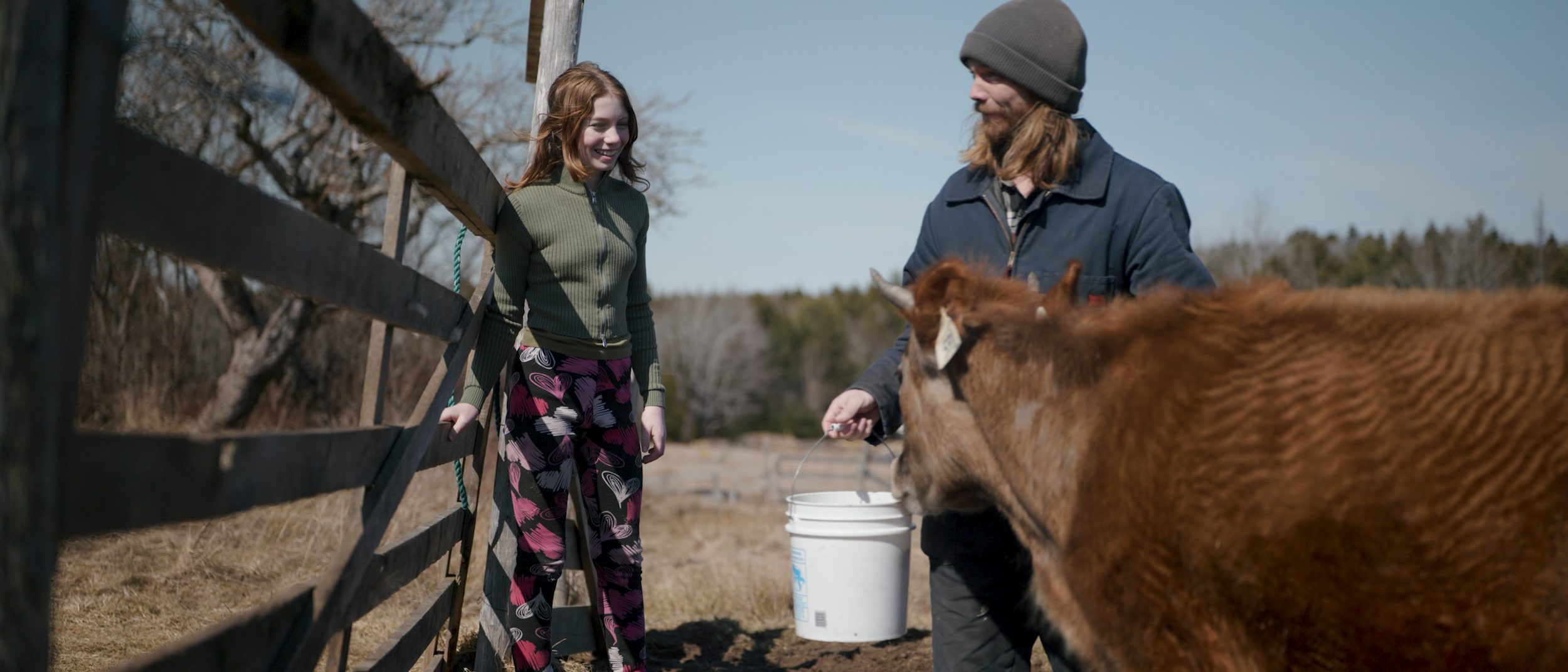
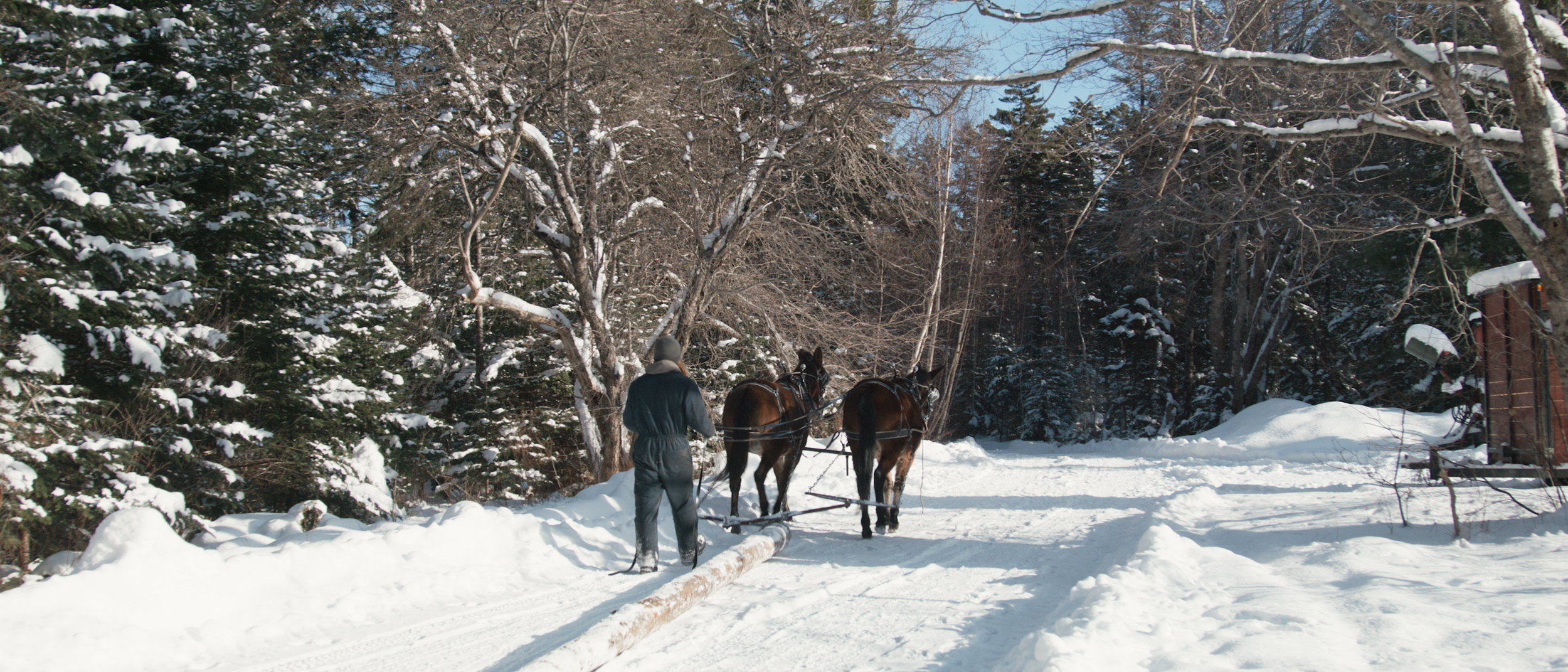
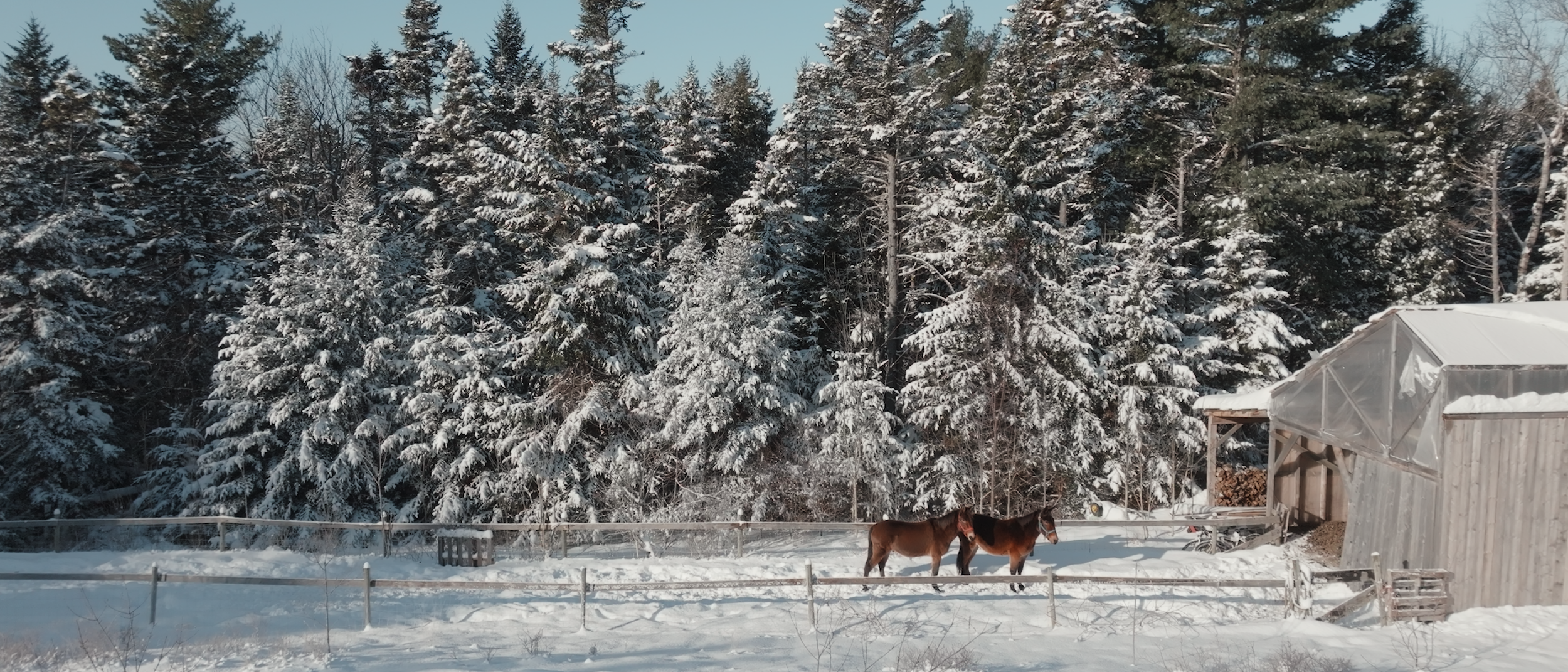
“It took me two years of trying and failing and not really having the courage to do it – and then eventually we needed firewood. So, I had to learn to work with them. They're teaching me more and more every day about how we can work together and get things done safely and efficiently.”
Building Owlwood Farm
Over the past 16 years, Jake and his wife, Melissa, have slowly and intentionally shaped Owlwood (lovingly named after the many owls whose calls fill the winter nights). When they first moved to the property, there were no buildings at all. They arrived in the middle of February with a 17-foot yurt, a three-year-old child, and another baby on the way. That first summer, they built a tiny workshop, a small barn, and a summer kitchen—everything cut, hauled, and milled from their land.
For Jake’s children—now 12 and 15—this slow way of life is normal.
“I grew up in the suburbs, and no part of me wanted that for my kids,” Jake says.
“They can open their bedroom door, and they’re in the middle of the forest. It’s been their whole life – hauling water, chopping wood, keeping the fire going. For the rest of their life, they’re going to be connected to nature.”
One of the kids’ favourite jobs in the woodland doesn’t happen until spring, when the cold finally begins to loosen its grip on the forest. Come early March, Jake, Melissa, and the kids head out with a drill, a bag of spiles, and around 20 or 30 sap pots to hang in the maples.
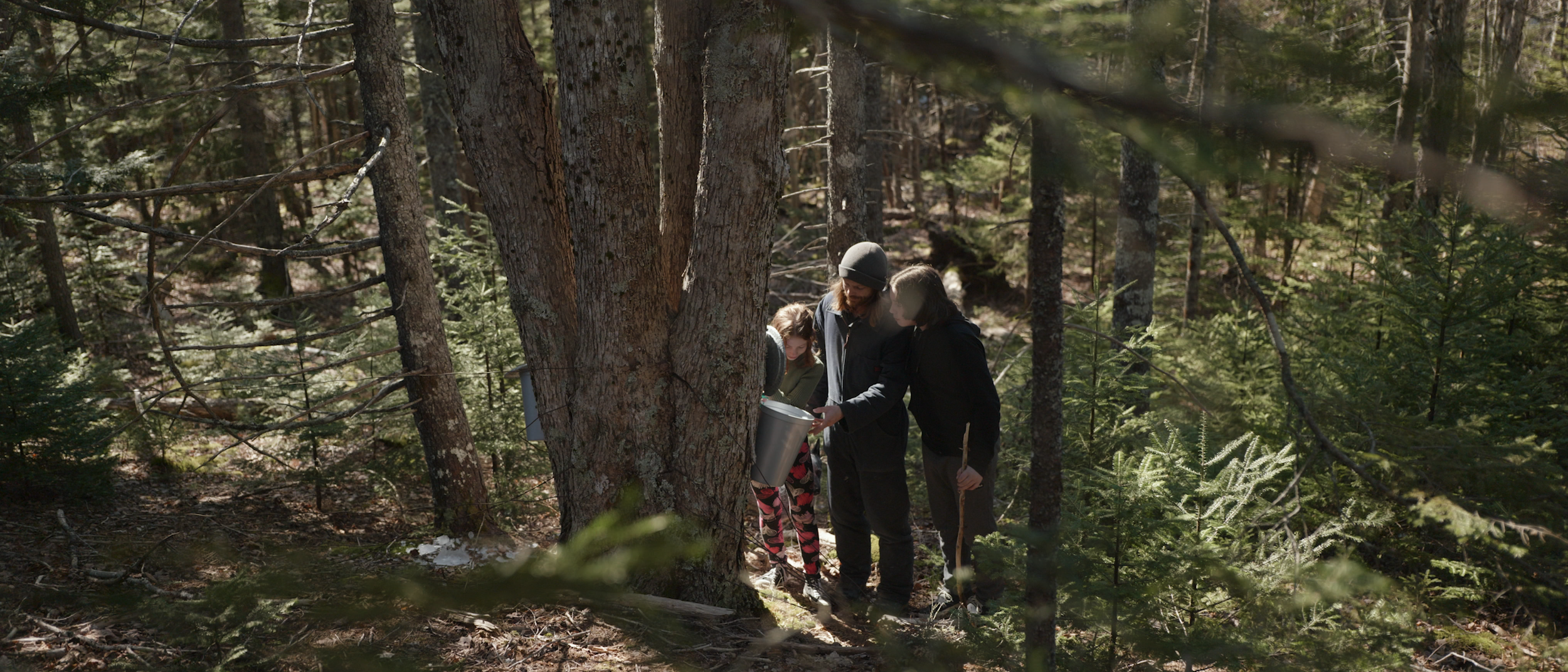
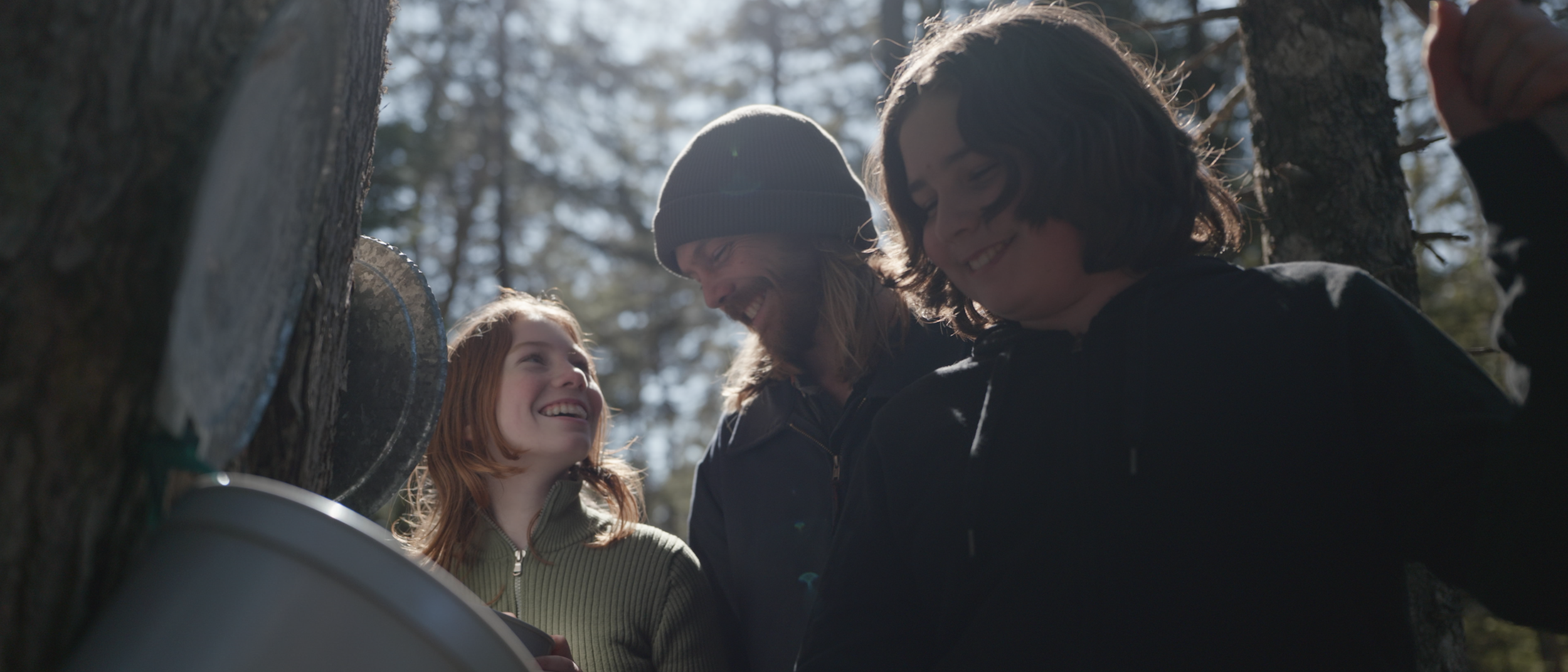
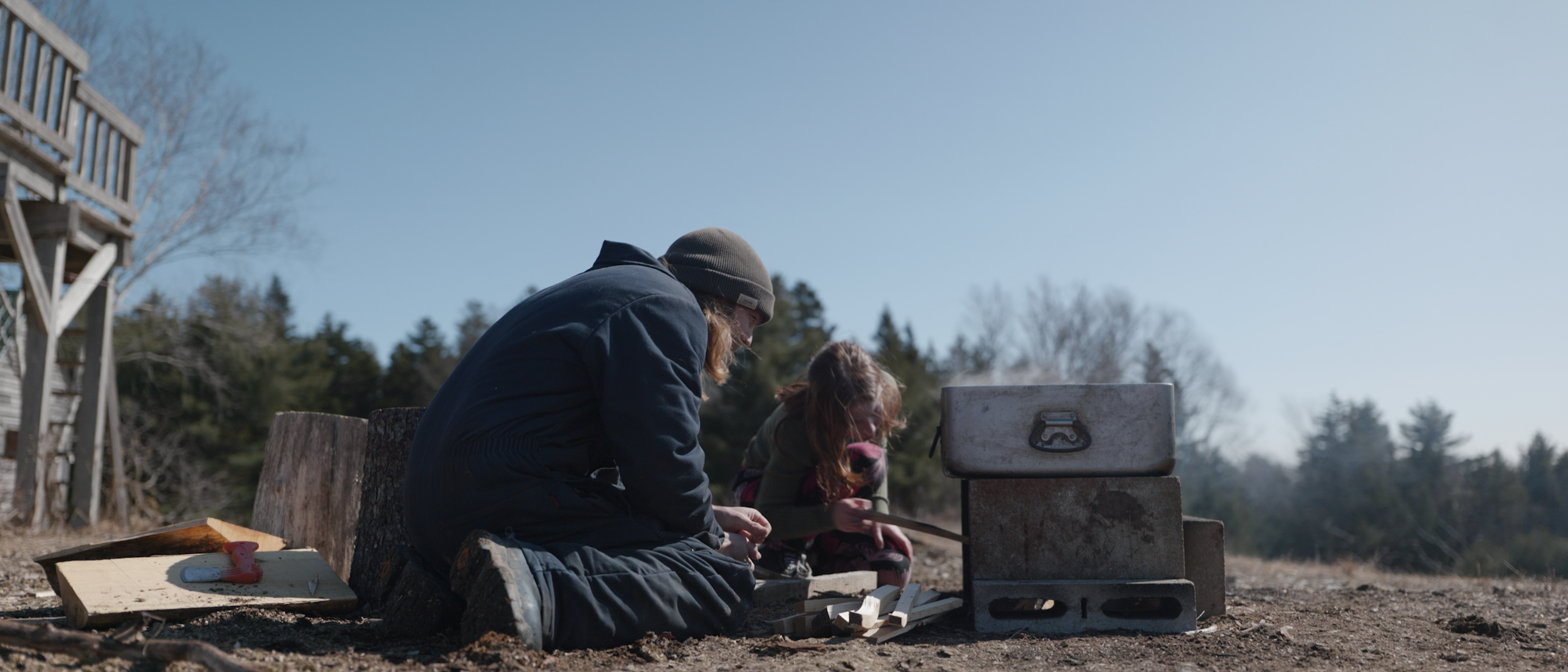
The sap collected each day gets distributed between the cabins, simmering slowly on the wood stoves. It's a patient, low-input process — one that fits naturally into the pace of the farm.
"We've never made tons and tons of syrup, but it's always something we want to make sure we do a little bit of every year," he says. “And to have that to look forward to at a time of year when there's not that much going on, it's just super special.”
Protecting What They've Built
It's exactly this kind of practice that NSWWT's Working Forest Community Easements are designed to protect and support. By maintaining healthy, mature maple stands, land stewards like Jake contribute to biodiversity, carbon storage, and the long-term resilience of Nova Scotia's forests — while continuing to work and earn from the land they love.
The protection of the easement extends beyond forestry practices alone. As development has crept steadily closer to Owlwood in recent years, Jake’s partnership with NSWWT offers something equally important: the guarantee that this working woodland will remain one.
When we bought this place, it felt really remote and far removed,” says Jake. “But even in the last five years, it’s astounding how much development has happened around us. It went from feeling like a quiet country road to the very beginnings of a suburb.”
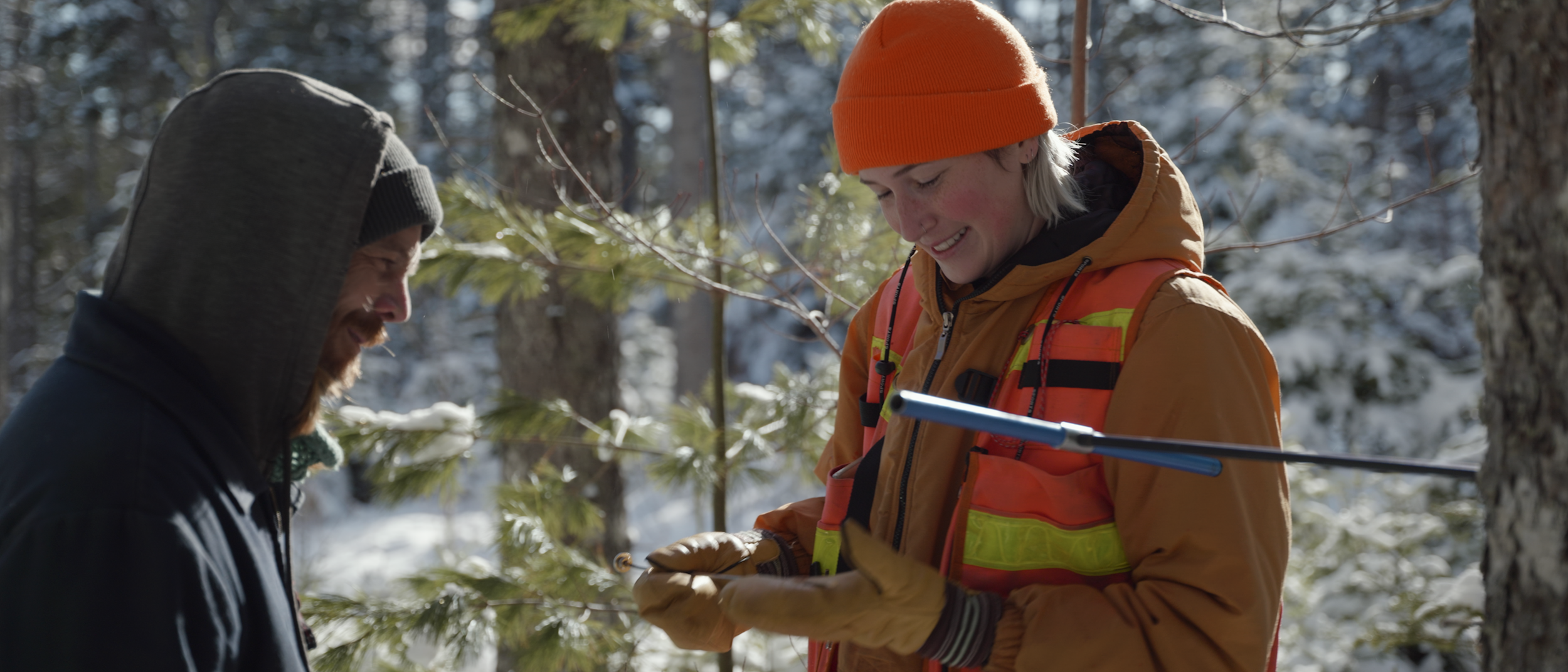
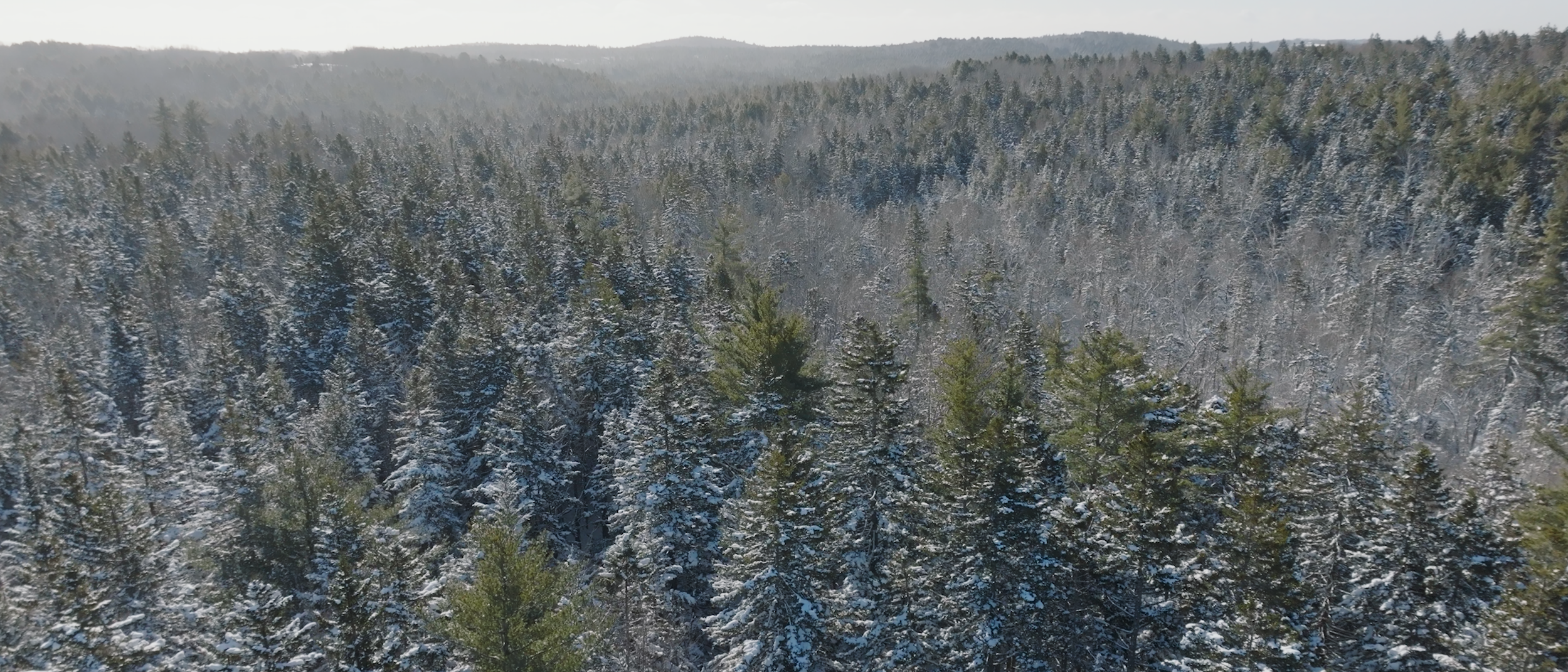
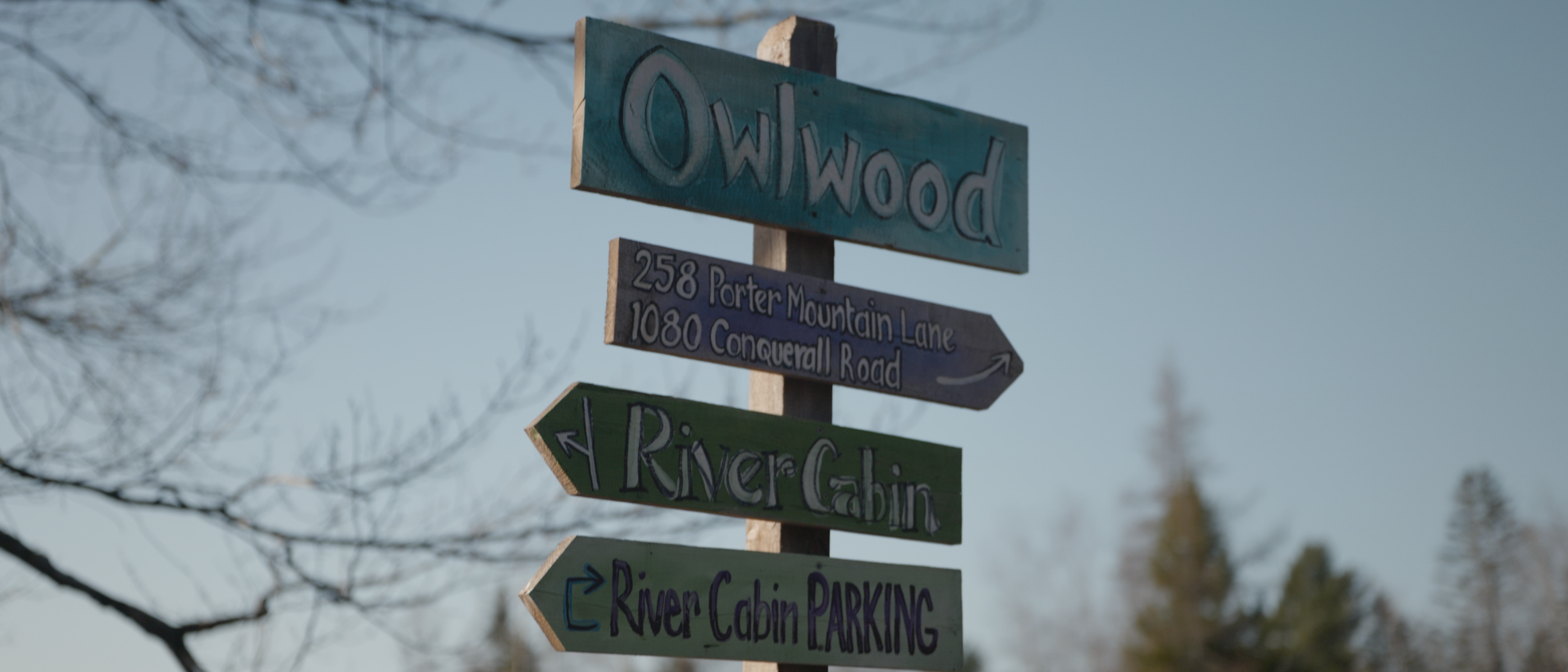
Jake’s decision to work with the Nova Scotia Working Woodlands Trust came from a desire to protect everything he and his family have built on the woodland – the memories they’ve made, the delicate ecosystem that exists in the forest, the skills and traditions woven into every corner of the property – ensuring it remains intact for future generations to enjoy.
“Anything can happen, says Jake. “Knowing that, no matter what happens to my family or me, this land is protected—and that there’s an organization out there to continue offering guidance to us, future generations, and any future landowners—gives me tremendous peace of mind.”
Do you own woodland in Nova Scotia? The NSWWT is actively welcoming new land stewards — reach out to find out how a Working Forest Easement could work for your forest.