
A Woodland Built Over Generations: Don’s Story
Tucked just a few kilometres west of Antigonish in northern Nova Scotia, Don MacDonald’s woodland in Brierly Brook is easy to miss from the road. But for those who know it, the property feels like a hidden gem — a place of towering hardwoods, quiet hemlock groves, winding brooks, and a trail system built slowly and carefully over decades.
For Don, it’s more than a forest. It's a family legacy stretching back generations — and a place he has known his whole life.
A Legacy 130 Years in the Making
His grandfather purchased the property in 1890, and the land has remained in the family ever since. Don was born here, worked on the farm all through school and into university, and grew up in a time when cattle still grazed the pastures. When it was time to bring them home, someone had to go find them — tracking through the woods, searching the hills and ridgelines until the herd was accounted for. This was his first real introduction to the forest he now knows so well.
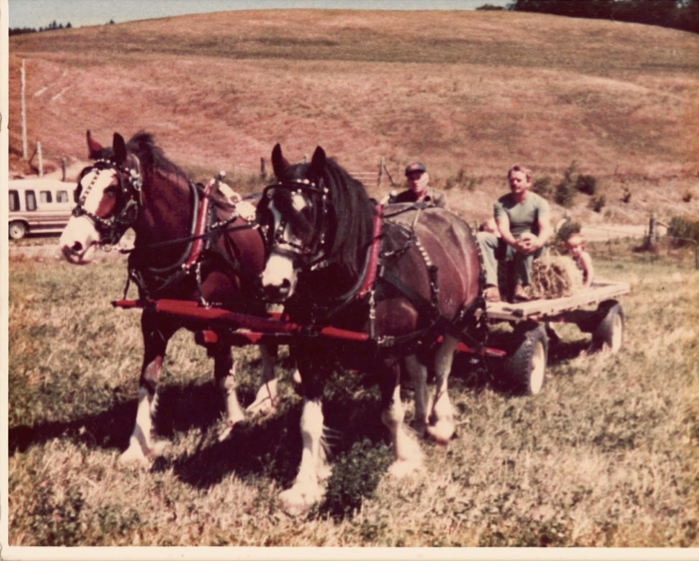
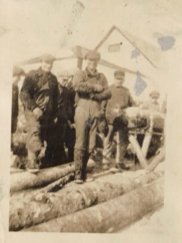
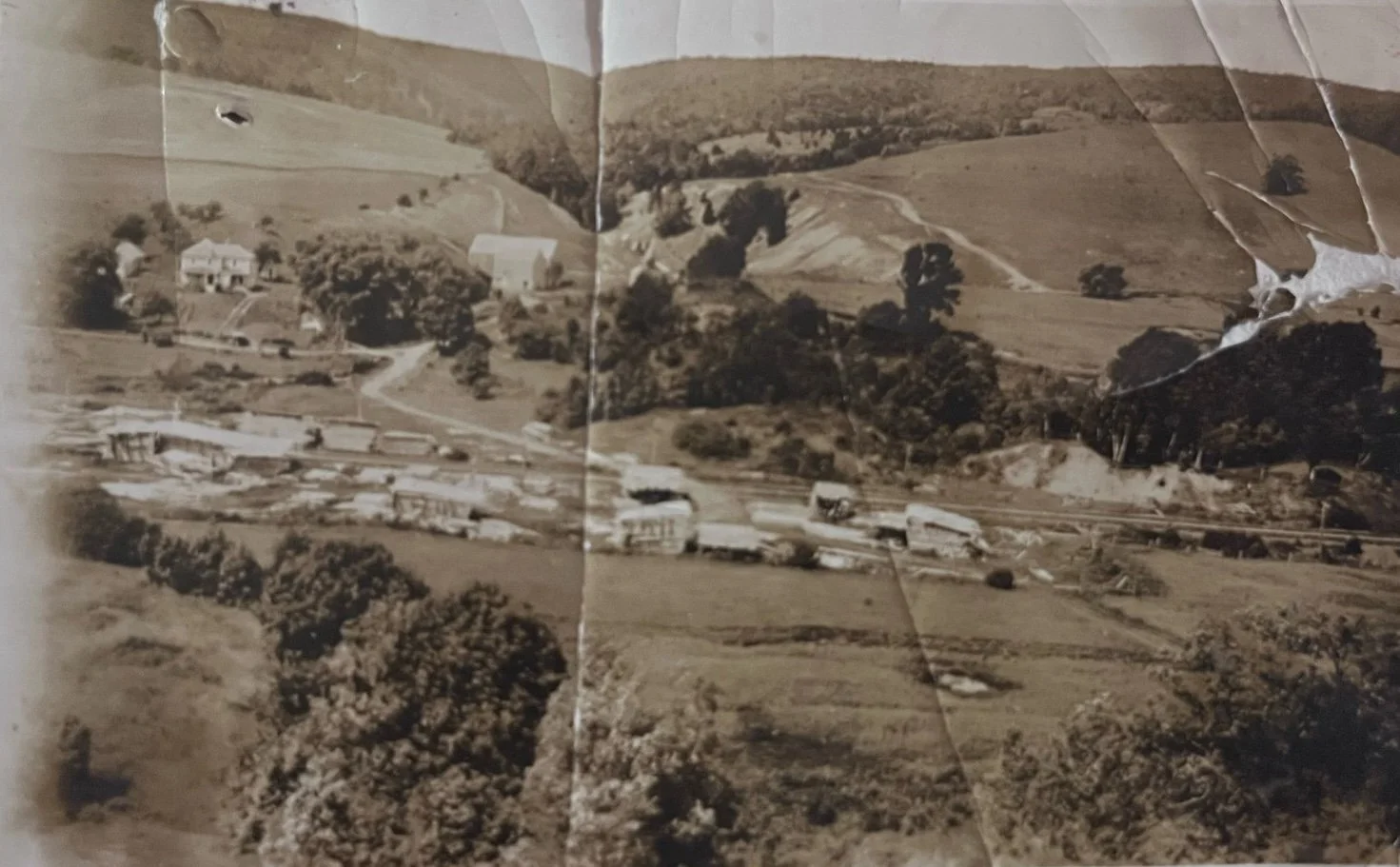
A sawmill once stood on the property, and all the lumber was shipped out by rail. Firewood, fence posts, and building materials all came from the forest. Don cut firewood alongside his father for years. The cattle are gone now — sold off in the eighties — and the Clydesdale horses his parents kept afterward have long since gone too. But the 175-year-old barn still stands as a testament to that generation, and the work has certainly never stopped.
“They worked tirelessly on this woodland over the years,” says Don of his parents and grandparents. “They only had horses, and they developed roads and utilized the woodland for firewood and lumber. It’s my responsibility to do the best I can to look after it and pass it on to the next generation.”
Where the Old Trees Still Stand
In the 130 years since his grandfather first purchased the land, a lot has changed. But one section of the property has remained largely untouched: the hemlock ravine. It's one of Don's favourite spots — and when you're there, it's easy to understand why.
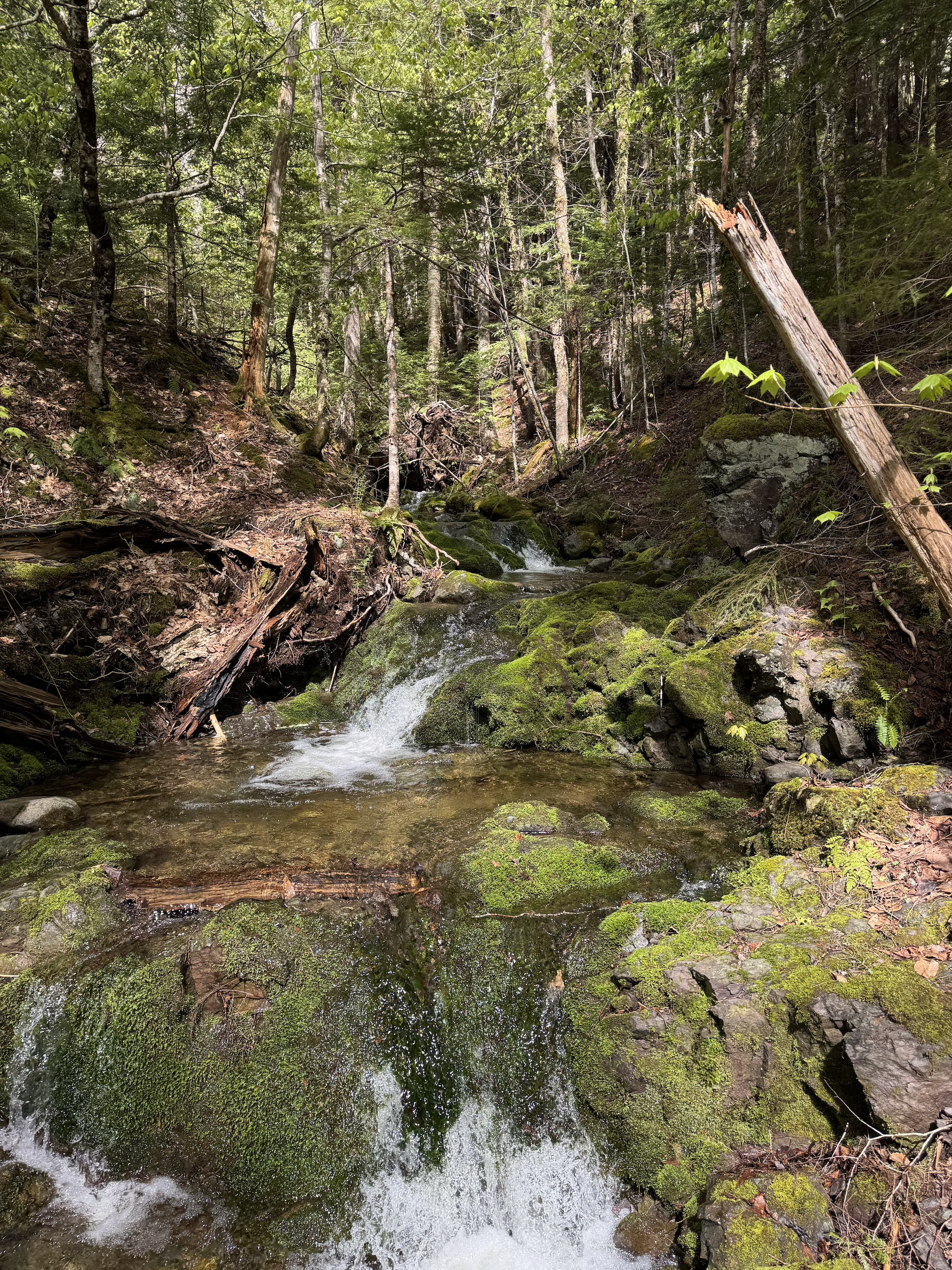
The brook flows through a steep forested ravine. Hemlock trees, some of them more than 200 years old, rise from the steep walls of the grove. The thick canopy closes overhead, dropping the temperature noticeably. The brook flows all the way into the Antigonish harbour, passing over cascading waterfalls and carving its way through the forest, creating a dynamic riparian corridor.
Don has walked this ravine his whole life. He knows the ideal time of year to view the waterfalls, where the light comes through in the late afternoon, and where the best places to sit are hidden.
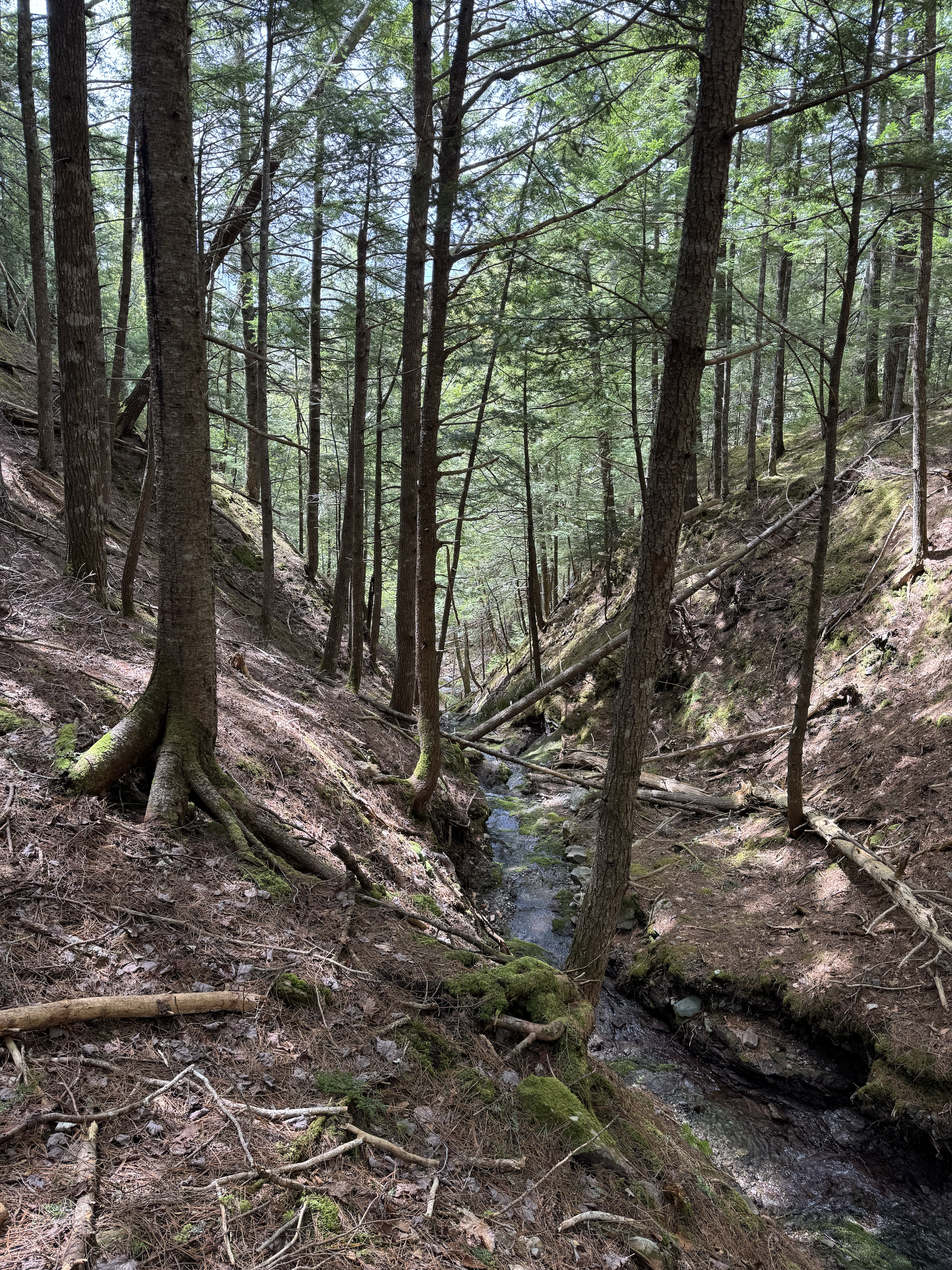
“Growing up, I didn't really appreciate the hemlock forest and what it has to offer,” says Don. “But as I got older, I began to recognize the beauty.”
And the more time Don spent in this place, the more he felt compelled to share its beauty with others.
“I feel like it’s my duty to allow other people to appreciate and enjoy the woods,” says Don. “If you recognize something beautiful, but nobody else can enjoy it, what’s the value of it?”
Over the past decade, he has built an extensive trail network through the hemlock ravine, installing benches, bridges and even stairs – all by hand. Most of the work he completed alone, hauling timber into remote areas and constructing structures one piece at a time.
Today, the trails are used regularly by hikers, neighbours, and visitors who mainly discover the property through word of mouth.
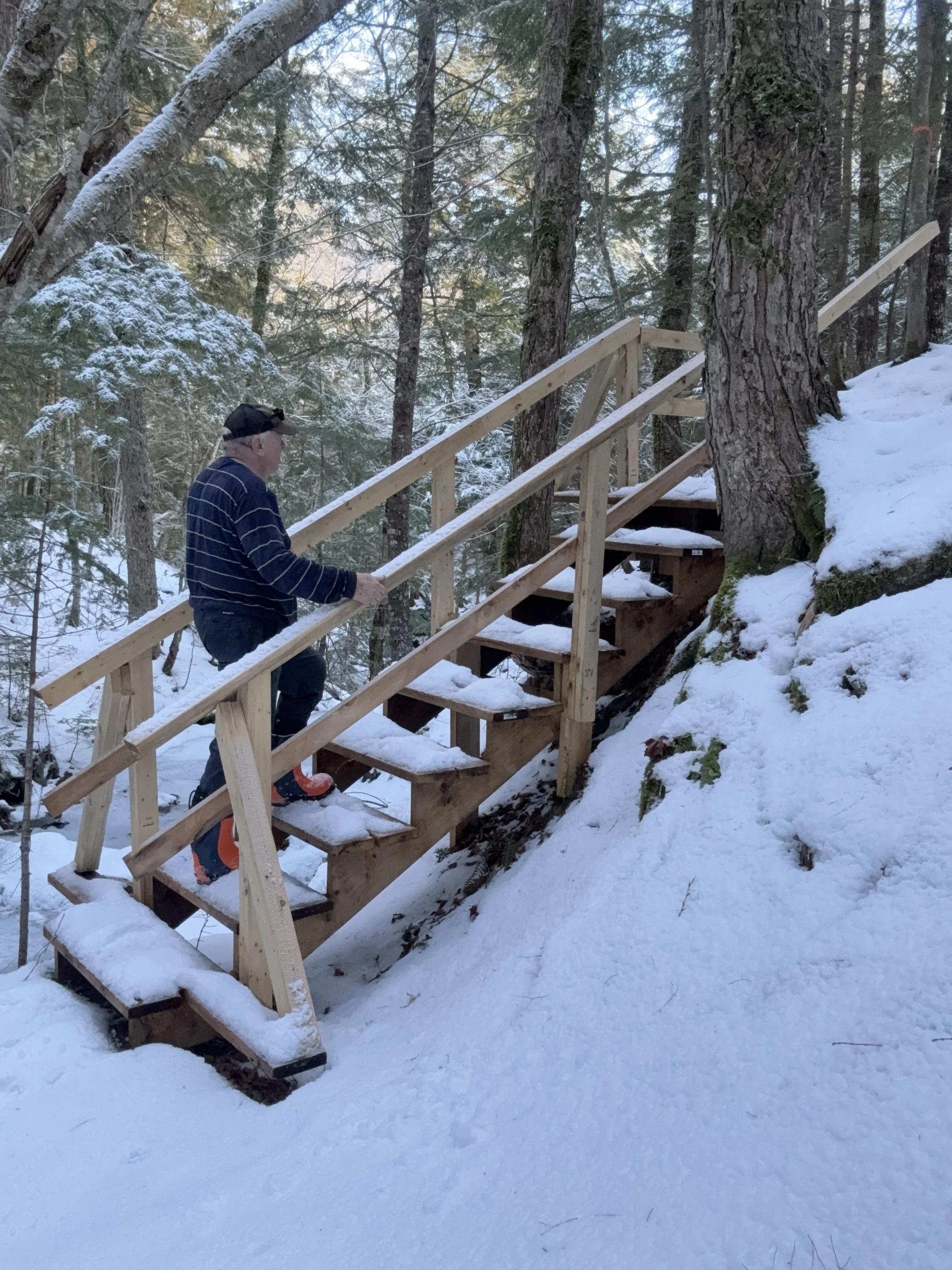
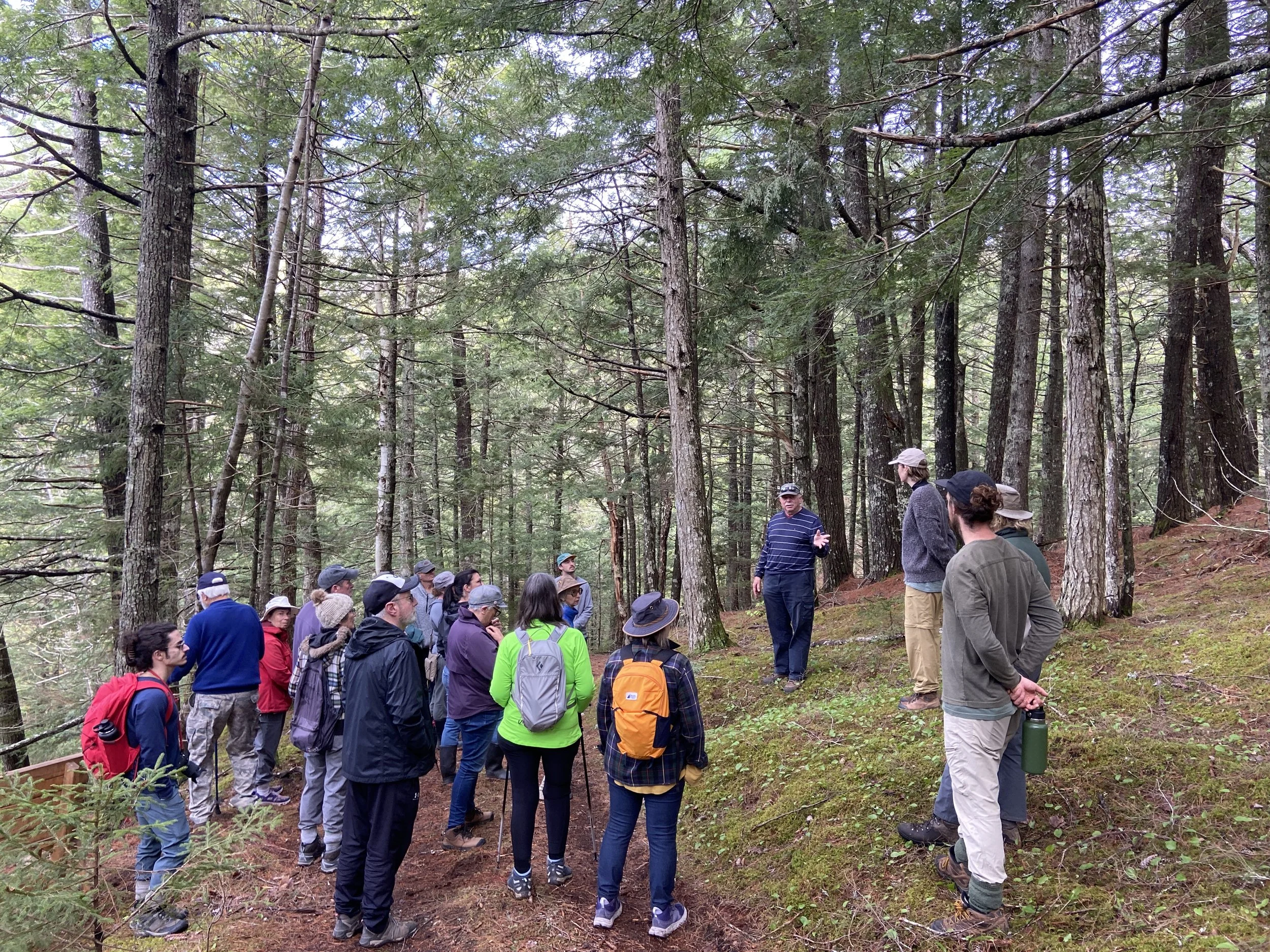
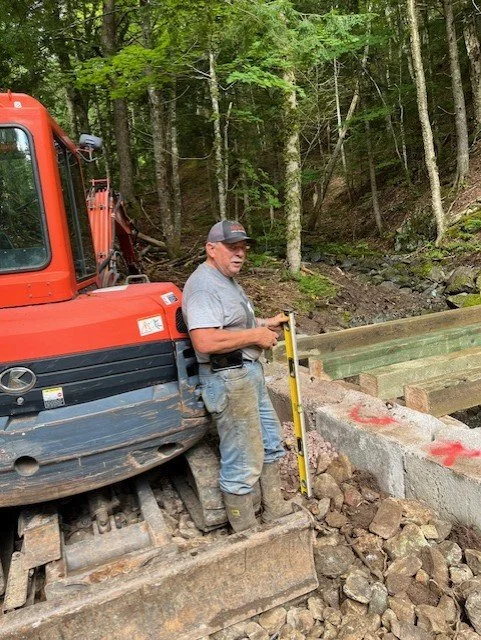
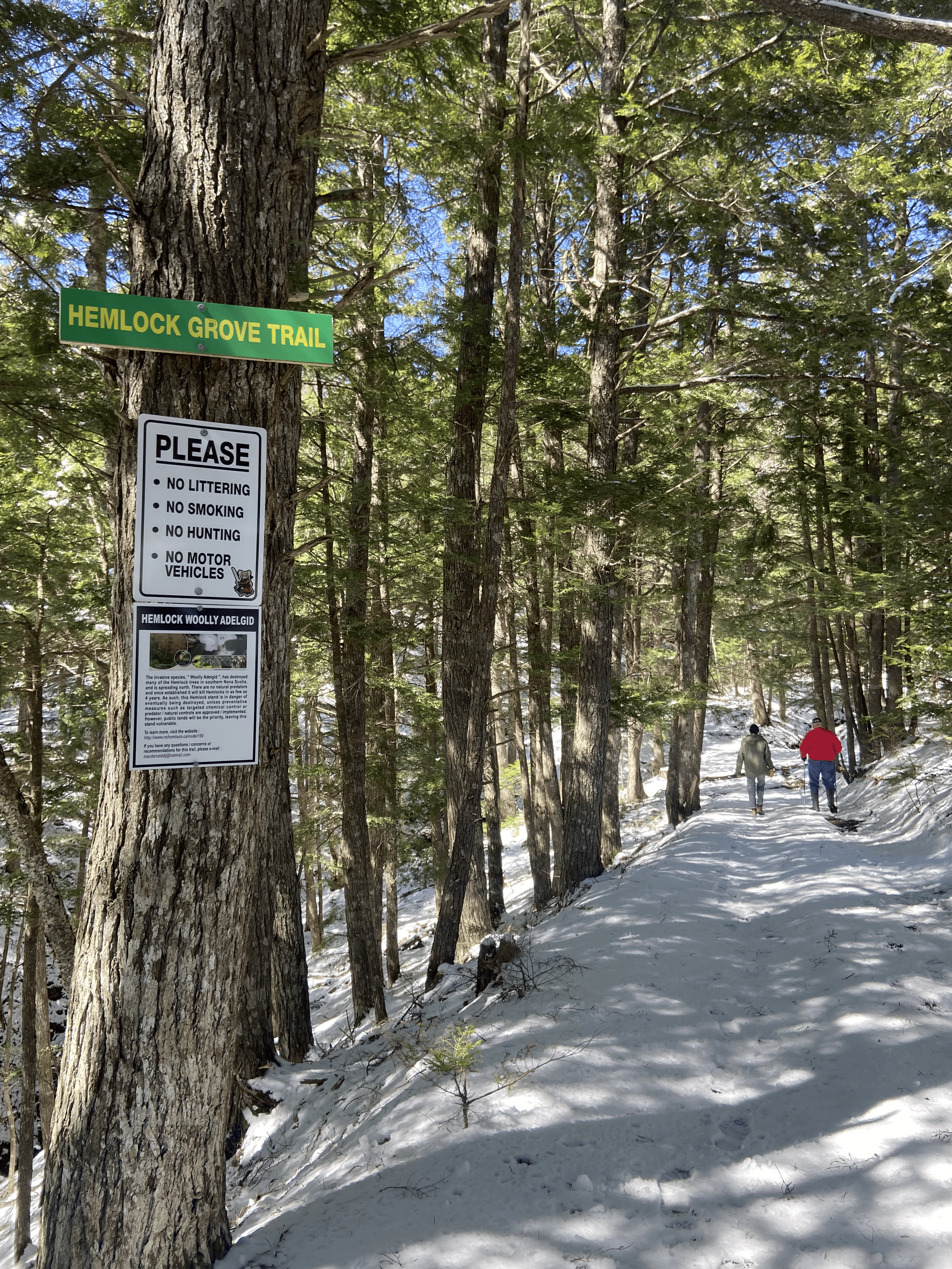
“People started coming out after hearing about it, and pretty well every day there is someone out walking the trail,” says Don. “People are blown away by the fact that there is something like this that exists so close to town.”
A Threat on The Horizon
Don’s most recent addition to the trail network is a sign informing people about the invasive Hemlock Woolly Adelgid (HWA) that is threatening hemlock trees across Nova Scotia. He’s also hosted walks and conversations with community members, the local naturalist society and local leaders to raise awareness of HWA and encourage action to protect hemlock trees.
This concern about the future of hemlock in Nova Scotia is what led Don to seek long-term protection for his woodland. It was while researching HWA that he first discovered the Nova Scotia Working Woodlands Trust (NSWWT).
“I was looking for something that would guide me in the right direction,” Don says. “The goals and objectives of the organization were similar to mine, and I liked the idea of flexible zoning to allow for both managing working woodlands and conservation.”
Like many woodland stewards, Don sees his woodland as a constant work in progress. There are always improvements to be made, work to be done, but having a partner like NSWWT in this work has been very reassuring for him – especially when it comes to HWA.
“I know that if I get into a position where HWA is here, which it likely will be, I know I can count on the team at NSWWT to assist in trying to manage this in the short and longer term,” says Don.
Hope, Held in Trust
The partnership with NSWWT has also deepened Don’s knowledge of his woodland. Spending time in the forest with NSWWT’s field team and reviewing the Forest Stewardship Plan opened his eyes to species diversity and forest health.
“There’s a lot to learn, and the Stewardship Plan gives you a blueprint. It tells you what you should be considering with the time and money you have,” he says.
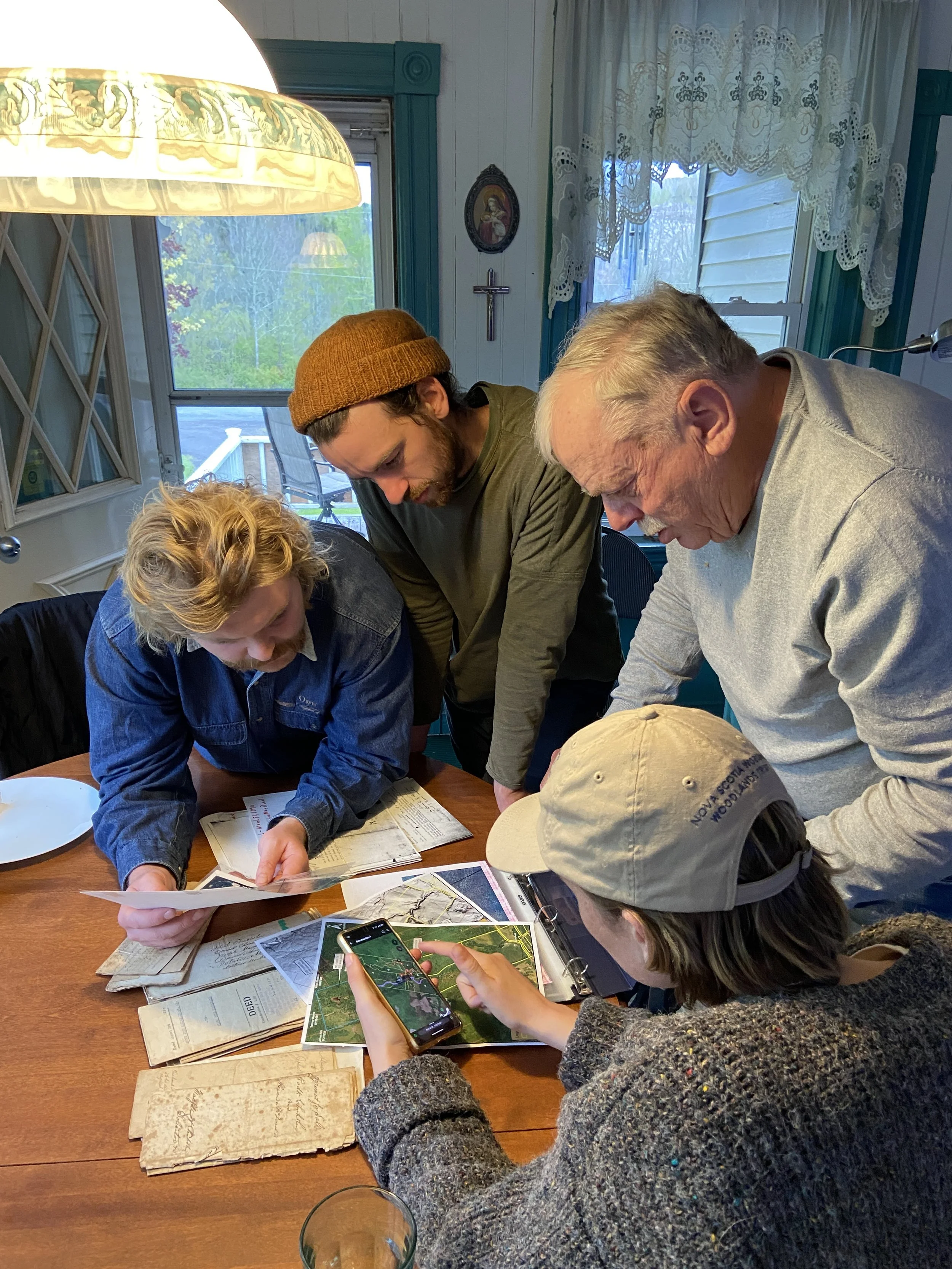
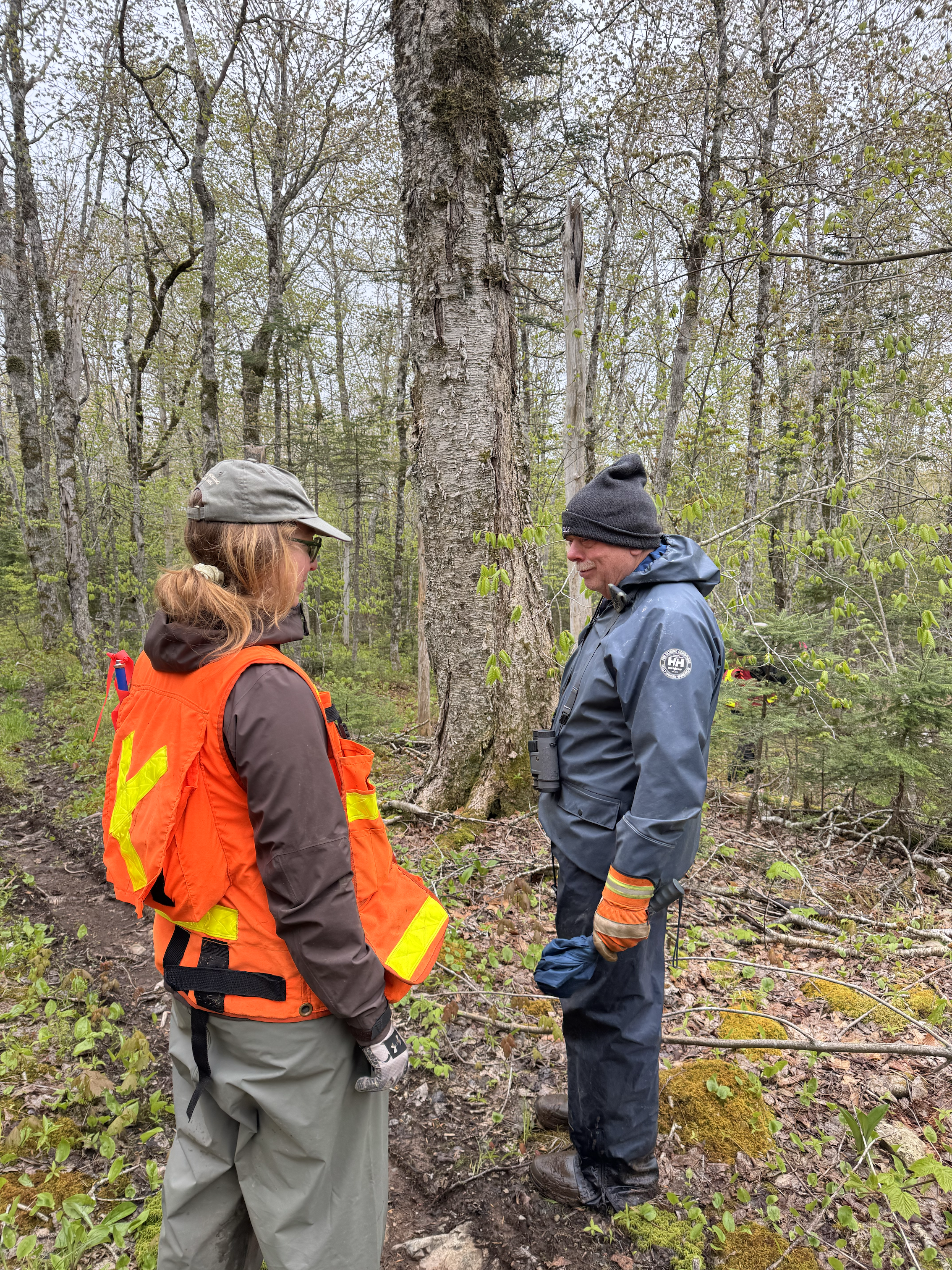
Looking ahead, Don hopes the next generation will continue caring for the woodland. But he knows the future is never certain – which is exactly why the long-term protection of a NSWWT’s Working Forest Easement matters to him.
“I’m glad to know the Trust is involved. It’s provided me some comfort, knowing that when my time is done, the woodland is still going to be looked after,” he says. “It gives me hope to have people interested – as long as there’s interest there, the forest will be protected and sustained.”
Every year, Don adds a little more: another bridge, a new bench, a fresh trail marker. Small acts of care, done gradually over time – the same way his grandfather built roads with horses and his father cut firewood in the cold. For Don, stewardship has always meant honouring the work of those who came before, protecting what exists today and ensuring others can experience and benefit from it.
Do you own woodland in Nova Scotia? The NSWWT is actively welcoming new land stewards — reach out to find out how a Working Forest Easement could work for your forest.